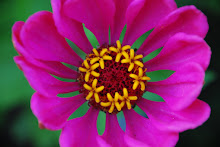
Peony 'Sarah Bernhardt'

Peony 'Sarah Bernhardt'

Saturday, March 5, 2016

First Week of March Garden Projects

Good morning gardeners!

This week brought March 1st and with it typical early spring weather. Just during the one day of March 1st Portland saw pounding rain, whipping winds, hail, warm sun breaks, and a beautiful rainbow. That one day about sums up March in Portland.

Yesterday morning I took advantage of the break in rain to complete a couple of gardening projects. It was welcome time in my own garden after a winter of caring for the Legacy hospital healing gardens.

In my small flower bed I grow several varieties of peony, dahlia, lilies, echinacea, rudbekia, coreopis, monarda, agastache, and clematis. During the winter this flower bed of herbaceous perennials dies down to nothing. I cover it with a thick layer of autumn leaves and let it rest. Yesterday I raked away the leaves, applied an organic granular fertilizer to the top and covered it in a top dressing of compost. I replaced plant markers, put peony supports in place, and dreamed of the spectacular spring through fall show of flowers. The compost I prefer as a great top dressing for my ornamental beds is EB Stone brand planting compost.


My raised bed herb garden is full of perennial herbs, many are evergreen and provide me with herbs throughout the winter. This raised bed I also covered with autumn leaves in October to provide a warm winter mulch and discourage squirrels from burying their nuts. The autumn leaves were such a warm winter mulch that my oregano continued to produce a low blanket of stems under the autumn leaves all winter long! Yesterday I applied an organic granular fertilizer and top dressed the entire raised bed with compost. The fall planted garlic and shallots are looking great!


This month I will plant one of my three raised vegetable beds. To prepare it for planting in the next few weeks, I removed the frost blanket, gently pulled up the autumn-planted cover crop crimson clover, left it's greens on top of the soil, pulled any weeds, applied an organic granular fertilizer, and top dressed the entire raised bed with compost. The compost I prefer for my raised beds and containers of vegetables, fruit, and herbs is nurseryman brand bumper crop. Bumper crop is awesome! After applying compost to the top of the bed I replace the frost blanket. The frost blanket will discourage squirrels and cats from my raised bed, it will continue to keep the soil warm, and keep the soil mostly dry so that it is ready to plant when I am!

As spring begins and soil is warming it is an excellent time to fertilize and add compost to your garden. I mix my own organic granular fertilizer from bulk elements at Garden Fever nursery in NE Portland. They have excellent ingredients and bulk is .99/pound. I use equal parts of:

Alfalfa Meal
Flaxseed Meal
Rock Phosphate
Kelp Meal
Greensand
Glacial Rock Dust

It is super nutritious packed with N-P-K and a host of trace minerals, it is vegan with no by-products of the slaughter house industry, and it's super economical. For just a few dollars you get a bag of beautiful organic fertilizer enough to apply to 4 raised beds!

For more information:
What to Plant in March
To subscribe to my email newsletter with monthly gardening tips
To attend one of my gardening workshops
To learn more about my gardening consultation and design services

Have a great day and happy gardening,
Jolie

Sunday, February 28, 2016

What to Plant in March

Good afternoon gardening friends,


March in Portland is a wild month of whipping winds, cool temperatures, wet rains, and also warm sunshine that brings on the gardening itch! I enjoy having a break from my garden during December and January. The welcome break from the garden ensures leisurely time in the warm house, sipping tea & reading, cooking hearty winter meals, baking, catching up on house projects, and visiting with friends. Once February rolls around I eagerly read my new seed catalogs, review last year’s garden and making plans for this year’s garden. February is time of hope and promise in the garden.

Spring bulbs are popping up around every part of travels. Crocus, daffodil, miniature iris, hyacinth, and anemone brighten my porch containers and in the gardens I maintain. Flowering shrubs like quince, forsythia, winter daphne, sarcococca, edgeworthia, witch hazel, winter hazel, camellia and viburnum light up the late winter garden with a frenzy of yellow, orange, pink, and red. Look up to find cornelian cherry, ornamental cherry and tulip magnolia brightening the sky with their cherry blossoms that sing of the arrival of spring.

Our average last frost in Portland is March 15th. It is a good date to keep in mind when garden planning and planting. As February comes to a close with several sunny days it may seem time to start planting the edible garden, but proceed with caution. For optimal planting conditions not only do day temperatures need to rise, the soil needs to warm, and dry out some. In wet cold soil potato tubers will rot, seeds won’t germinate and transplants will struggle to grow. As March proceeds we generally have more ideal planting conditions.

Working in gardens causes soil compaction that impacts plant health. I’ve had my raised beds covered with a frost blanket that is keeping the soil warm and drier through the rainy season. The first week in March I will prepare my raised beds by removing the frost blanket, hoe the fall-planted crimson clover cover crop, leave greens on soil, sprinkle on an organic granular fertilizer, add a fresh layer of compost, and then replace the frost blankets. By mid March when I assess the weather the raised beds will be prepped and ready for planting.


Cool Season Crops to Plant in March:

Asparagus-from crowns
Garlic-from cloves
Horseradish-from roots
Jerusalem Artichokes/Sunchokes-from tubers
Potatoes-from seed potato tubers
Onions-from bulbs or bunches
Shallots-from cloves

Direct seed in the garden with protection of a frost blanket, cloche, cold frame or plant transplants directly into the garden

Arugula
Asian Greens
Escarole & Endive
Florence Fennel
Kale
Lettuce
Leeks
Mache
Mesclun Mix
Mustard Greens
Peas
Radicchio
Radish
Scallions
Spinach
Swiss Chard
Turnips

I would wait a little later in March to see how the weather goes for planting:
Broccoli, cabbage, cauliflower. Or if you want to plant these now from transplants into the garden be sure to keep a warming frost blanket handy or use some other kind of protection from a cloche, cold frame or low tunnel. I would also hold off until late March into April for direct-seeding beets and carrots. Make sure the soil has warmed up!

March is a great time to get started with your herb garden. Cool-loving annual herbs like chervil and cilantro should be planted now from seed or transplants. Biennial parsley can be planted now. Additionally perennial herbs like chives, lavender, oregano, rosemary, sage, and thyme can all be planted from transplants in March.

Late winter into early spring is the ideal time to plant small fruit and fruit trees in your garden. This time of year you will also get the best selection at nurseries. Consider planting a dwarf or columnar fruit tree such as apple, Asian pear, pear, cherry, or plum which all grow excellent in Portland. Fruiting shrubs, canes, and vines include:

Blackberries
Blueberries
Currants
Grapes
Hops
Kiwi
Raspberries

And don’t forget the strawberries!

Happy Planting!
Jolie

Monday, January 25, 2016

Curried Winter Squash Soup

Friends,

By now you know how much I love seasonal cooking. Winter squash is one of my favorite winter foods. Though once the new year rolls around my husband is thinking "please can we have a break from squash." Determined and inspired to find new ways to surprise our taste buds with another round of winter squash, I created this curried winter squash soup. It is vegan, and while lacking any sugary sweeteners it packs a punch of natural sweetness. Enjoy! Jolie

1 medium kabocha squash, about 4 cups cooked
1 leek, sliced
1 shallot, chopped
1 garlic clove, minced
olive oil
1 yam, peeled & diced
1 carrot, peeled & diced
3 tsp curry powder
1 tsp cumin
1 tsp tumeric
1/4 tsp allspice
1/4 tsp nutmeg
sea salt
2 cups vegetable stock
1 can coconut milk

1. Preheat oven to 350 degrees. Slice squash in half and scoop out the seeds. Lay cut side down into a baking dish. Add enough water to cover bottom of squash. Bake at 350 degrees for about 1 hour until squash is soft.

2. While squash is cooking, sauté over medium heat in a splash of olive oil the yam and carrot, for about 10 minutes until they are soft. Add the leek, shallot, and garlic and continue sauté for 5 more minutes. Add all the spices and sauté for 1 more minute, stirring until incorporated with vegetables and fragrant. Remove from heat and set aside.

3. Once squash is done baking, remove from baking dish and let it cool for 15 minutes before handling. Scoop out flesh and discard the skin.

4. Place the vegetables and spice mixture with half the can of coconut milk into food processor and pulse until pureed. Place in stockpot on stove. Repeat this with the squash and remaining half can of coconut milk until it is also well pureed. Add this to vegetable puree in pot.

5. Add stock and salt to both purees in pot. Stir and cook together on medium heat. Once warm taste for spice level and salt. Add additional salt and spice to your taste preference.

What to Plant in February

Good afternoon gardeners,

Today's bright warm sunshine and 55 degree temperatures may trigger an early gardening spring fever for you. If you are tempted to start planting your edible garden, please trust me it is still too early!

Our average last frost in Portland is March 15 and this is conveniently close to the spring equinox when we are halfway between winter and spring. This is important because it means the longest days and closest sun distance are on their way. Edible garden plants benefit from the warmer air temperatures, warmer soil temperatures, longer days, and brighter closer sun.

January is a perfect time to do your garden planning, enjoy your seed catalogs, begin purchasing seeds, inventory, repair and purchase new gardening tools and supplies. During the winter month of January you could expand your gardening knowledge by taking a gardening workshop, reading a gardening book, or subscribing to a gardening magazine.

Check out my February workshops: Gardening Planning and Organic Vegetable Gardening Basics for Beginners by visiting my website.

February weather in Portland is extremely unpredictable. Though February can afford us more opportunity to garden if the weather is mild. If you are growing tomatoes from seed, now is the time to start those indoors.

February direct seed outdoors with protection of frost blanket, cloche, cold frame, tunnel or greenhouse:

Arugula
Chevil
Cilantro
Escarole & Endive
Florence fennel
Kale
Mache
Mesclun mix
Mustard greens
Peas
Radishes
Radichio
Scallions
Spinach

February is an excellent time to purchase fruit trees and plants, as selection is abundant at nurseries. It's also a good time to plant fruit trees and small fruit in Portland.

Trees: apples, asian pears, european pears, cherries, plums, peaches, nectarines, apricots
Vines: kiwi, grapes, hops
Bushes: blueberries, currants, gooseberry, huckleberry
Canes: raspberries, blackberries, boysenberries
And don't forget about your strawberry crowns. Strawberries grow awesome in Portland!

Happy gardening and enjoy the sunshine while it lasts,
Jolie


Monday, January 11, 2016

Winter Sunshine

Good morning gardeners!

One week ago Portland was blanketed in snow and ice. Yesterday it was sunny and a beautiful 45 degrees. I seized the opportunity to do some much needed clean up in my own garden, and I’m glad I did because today is back to rain & wind. My front deck is home to nearly 30 containers of all sizes that I garden in year-round. I cleaned off an abundance of winter muck from the outside of my ceramic, terra cotta, and plastic pots. Several winter storms over the last month landed autumn leaves, branches, twigs and all kinds of debris blown in from all over Portland to gather upon my front deck! Sweeping off leaves from the deck, I gathered enough to fill an entire yard debris bin to bursting.


Removing debris from the top of my containers I discovered a multitude of bulbs pushing through the soil. Crocus, daffodil, hyacinth, muscari, and even tulips are poking up their brave little heads. Perennial hellebores are unfurling their new growth with blossoms to be enjoyed throughout the late winter and into spring. When my hellebores sprout new growth, I prune off last years foliage so that the emerging flowers are showcased.


Indeed I was not the only Portlander embracing yesterday's winter sunshine with gardening. My best friends told me they "reeked of rosemary" from doing so much winter pruning, which is by far the sweetest gardening sentiment perfect for the beginning of a new year. They happily showed me the pile of pruning they had done of the gigantic ancient climbing rose that was threatening to take over most of their back yard. Well done!

Yesterday’s weather was so lovely and mild I did not want to leave my garden. I pulled out patio chairs from under their protective winter tarp and sat on my deck soaking up the sunshine. I admired the winter daphne all budded and hopefully soon opening her tiny fragrant blooms. During the winter my garden contains the evergreen “bones” of native huckleberry, daphne, choysia, fatsia, nandina, cypress, jasmine, rosemary, lavender, ferns-sword, autumn, maidenhair, ornamental grasses-acorus & black mondo. Though truly my garden’s glory is in her abundance of winter-dormant herbaceous perennials. For now my beloved dahlias, lilies, peonies, poppies, echinacea, rudbeckia, agastche, and monarda are all in their winter slumber, gathering strength for their vibrant spring and summer peformances.

In a few months my garden will come bursting to life with the bright colors of blooming spring bulbs. This autumn I planted containers full of crocus, daffodil, tulips, hyacinth, anemones, buttercups, grape hyacinth, miniature iris and checkered lily. Every spring I look forward to their happy faces that signal the beginning of a new spring gardening season ripe with potential.


2016 seed and plant catalogs are daily arriving in my mailbox, but that is a story for another day…

Happy gardening,
Jolie

Monday, January 4, 2016

2016 Organic Gardening Workshops Announced!

Happiest of new years gardening friends!

In the depth of winter and with the holidays just over you may not yet be thinking about your 2016 garden. Seed catalogs are beginning to arrive in the mail and the gardening bug is contagious. Winter is the perfect time to learn some new gardening skills and start garden planning.

I have just announced my winter and spring 2016 gardening workshops. This year I will be teaching at several locations in SE Portland, NE Portland, and Gresham.

This year's offerings include:

Organic Veggie Gardening 101: Basics for Beginners
Organic Veggie Gardening 102: Crop Rotation & Companion Planting
Gardens for Butterflies, Bees, and Beneficial Bugs
Organic Culinary Herb & Edible Flower Gardening
Garden Planning
What to do in the March Garden
What to do in the April Garden
What to do in the May Garden
Container Design Make-and-Take


Advanced registration is required and many workshops fill up fast. You are invited to check out my newly updated website with workshop and class information. I truly love teaching, sharing my passion for gardening, and helping beginning & experienced gardeners become more successful.

In 2016 I hope to meet you and your garden!

Happy gardening,
Jolie

The Bulk Pantry

Happy New Year Friends!

What a beautiful surprising snow day we had yesterday in Portland. Perfect weather for a winter walk with streets covered in white and then snuggling in cozy with a great book and a pot of tea. Today I spent the morning dismantling the Christmas tree, packing away ornaments, cleaning the house top to bottom, and unburying my front deck, garden walkway, and car from under a layer of ice. All the joys of January!


Yesterday I visited my sleepy herb garden coated in a thick blanket of snow, to harvest fresh sage leaves for an incredible butternut squash risotto with leeks and sage.


Winter is prime cooking and baking season for me. After a super hot summer not being able to stand cooking in my kitchen, as soon as cooler autumn temperatures hit I have eagerly embraced cooking. The colder the weather the more eager I am to be in my kitchen creating new recipes.


Bubbling soups, stews, and curries. Simmering risotto, pilaf, and polenta. Flavorful, thick gravies and sauces. Hearty casseroles, gratins, and enchiladas. Fragrant, savory herbed breads, rolls, and cornbread. Sweetly scented quick breads, muffins, cobblers, and pies. And, oh, all the home baked holiday sweet treats-cookies, brownies, fudge, and caramels!


This time of year I assess what is in my bulk pantry. Bulk foods and fresh produce are the staples of my cooking. In January I like to stock up on the bulk foods that get me through the months of winter cooking.

My bulk pantry includes:

Beans-all types including black, pinto, kidney, garbanzo, white, pink, pinto, black-eyed peas
Lentils-green, red, french
Split peas-green and yellow
Rice-short & long grain brown, arborio, wild, jasmine
Quinoa
Polenta
Barley
Oats-steel cut & rolled
Gluten-free pasta
TVP (textured vegetable protein)
Soy curls
Nuts-walnuts, cashews, pecans, almonds, hazelnuts
Seeds-sunflower, pumpkin, and sesame
Dried fruit-raisins, cranberries, apricots, banana chips
Flours, baking powder, baking soda
Sugar-brown, white, and powdered
Spices
Olive oil
Honey
Maple Syrup

By buying in bulk I save money and I can select the quantities that I will use. I know which items store well and which need to be used quicker. I purchase bulk food in plastic bags that I reuse then recycle. I store bulk food in a collection of airtight glass jars. Some items are stored in the fridge like nuts, seeds, fruit, and sometimes flour. The rest goes inside my pantry cabinet.


To my well-stocked pantry of bulk items I also keep on hand products we frequently use:

Almond milk
Soymilk
Vegan broth cubes
Oil
Vinegar
Canned tomatoes & tomato paste
Olives
Pickles
Ketchup & mustard
Peanut butter
Jam & jelly
Tahini
Tamari
Miso

Weekly I add fresh seasonal produce and few other perishable items like tofu, cheese, butter, and juice. I keep a well-stocked pantry of just what we need so I am always ready for creative healthy and delicious meals while staying within our budget!

I hope that you are embracing all the joys of January!

Happy New Year,
Jolie