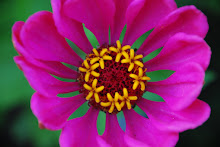
Good morning gardeners!
April heralds a bright beginning to the gardening season in Portland. In the past two months I have taught a dozen gardening workshops around the Portland area and met close over 100 enthusiastic gardening students. If you have joined me in a gardening workshop, thank you!
Spring fever is upon us and perhaps you have planted some crops already and perhaps you are itching to get started. In April we are still planting cool season crops. In spite of the 60-70 day time temperatures, it is still too cold to plant your warm season summer crops!! Please no tomatoes or basil yet. Today's 85 degree temperatures were a one-day spring rarity.
Here's what to plant now:
Asian greens
Beets-great time to plant seeds in April
Brussels sprouts (plant in spring for a fall harvest)
Cauliflower
Carrots-great time to plant seeds in April
Cabbage
Collards
Fennel
Kale
Kohlrabi
Lettuce
Mustard Greens
Parsnips (plant now for a fall harvest)
Peas-don't like heat so get them in by the end of april
Radicchio
Radishes
Turnip
Salad greens-arugula, cress, endive, ecarole, mache
Spinach
Swiss Chard
Continue planting artichokes, rhubarb, potatoes, leeks, onions, shallots, garlic in April.
Runner beans are the only type of bean that can be planted early. Plant some seeds now in April, like scarlet or sunset runner. They make beautiful ornamental plants grown up a trellis as a vine hummingbirds will love. Harvest the pods while very young and small for fresh green beans. Or wait until pods are large and dry out for shelling/dry beans.
Herbs-plant cool season annual herbs like cilantro and chervil. Plant all perennial herbs now. Plant hardier annual herbs like dill and german chamomile. Wait on tender warm-season annual herbs like basil and shiso until May.
Fruit-keep planting strawberries, blueberries, raspberries, and fruit trees through April.
WAIT until mid to late May when night temperatures are consistently above 55 degrees to plant warm season crops like: beans, celery, corn, cucumbers, eggplant, gourds, melons, okra, peppers, pumpkins, summer squash, sweet potatoes, tomatoes, tomatillos, winter squash, and zucchini. Seriously, just wait until later in May. Planting now risks stunting or outright killing these plants.
In April annual bedding plants become available at nurseries. Don't forget to interplant your veggie garden with annual flowers and herbs as companion plants for beneficial bugs. Some of my favorites: alyssum, calendula, cosmos,m marigolds, nasturtium, and sunflowers.
Thank you for reading my blog and I am happy to receive your gardening questions here in a comment. Please contact me at jolieann.donohue@gmail.com if you are interested in scheduling an in-person or email edible gardening consultation. Happy gardening and happy April!
Warmly, Jolie
Thursday, April 7, 2016

Tuesday, April 5, 2016
Herb Gardening
Good morning gardeners!
Herbs gardening is one of my most beloved pursuits. Growing herbs for culinary, medicinal, and ornamental uses is fun and satisfying. I love studying the lore and history of herbs through time in different cultures. Herbs are multi-use plants that are mostly forgiving to neglect from the gardener.
April is an excellent time in Portland to plant perennial herbs and cool tolerant annual herbs such as cilantro, chervil, dill, and german chamomile. Please wait until the warmer weather of late May to plant hot-season annual herbs like basil. The night temperatures are too cold in April for basil.
In this post I've included an introduction to culinary herb gardening that is adapted from my garden report in the April 2016 edition of the Concordia News. Please also consider joining one of my culinary herb gardening workshops.
Enjoy and happy gardening! Jolie
AN INTRODUCTION TO CULINARY HERB GARDENING
Herbs have a variety of uses including culinary, medicinal and spiritual. Generally herbs are defined as any plant used for flavoring, food, medicine or perfume.
Culinary use typically distinguishes herbs from spices based on the part of the plant that is used. An herb refers to plants used for their green leafy parts-either fresh or dried. A spice is a culinary product from another part of the plant such as seeds, berries, bark, roots and fruits. Some plants are used both as herbs and spices, such as dill weed and dill seed or cilantro leaves and coriander seeds.
Many herbs are beautiful as ornamental plants in the garden. In addition to their fragrance, herbs have a wide variety of colors, textures and shapes to delight all the senses.
Growth habits of some common culinary herbs are:
➢ Evergreen woody perennials: bay laurel, lavender, rosemary, and lemon verbena
➢ Evergreen perennials: thyme
➢ Herbaceous perennials: bee balm, chives, fennel, lovage, mints, oregano, roman chamomile, sage, tarragon.
➢ Biennials: angelica and parsley
➢ Annuals: basil, chervil, cilantro, dill, and german chamomile
Most herbs prefer well-drained soil and need full sun, 6-8 hours/day. Direct sunlight is needed to achieve maximum flavor and fragrance. Herbs grown in the shade become leggy and lack intense flavor. Some herbs that can be grown in partial shade are mints, lemon balm, chervil and wintergreen. Some herbs that can be grown in full shade are angelica, sweet woodruff and yerba buena.
Notorious for thriving in poor soil, most herbs do not need much fertilizer. Watering depends on the season, the location, and the type of herb. In the warm dry weather of summer, herbs grown in containers dry out quicker than herbs grown in the ground. Once established, most herbs are quite drought tolerant.
Pinching back new growth as it emerges will develop a bushier growth habit and a fuller appearance for basil, and most other herbs. Herbs that develop into a woody shrub, like rosemary or lavender, can be pruned after flowering. Herbaceous perennials like mints, bee balm, and sage can be cut back to a few inches above the soil during the winter.
Harvest fresh herbs as needed for cooking. Morning is the best time to harvest herbs, as that’s when they have the most flavors. Leaves have the highest levels of oils when the blooms just begin to appear.
To dry herbs, hang small bunches from the ceiling in a dry, dark location with good ventilation for one to two weeks. Store dried herbs in a clean sealed glass jar in a cool dark place. Consider making herbal pesto and freezing in an ice cube tray. These make great winter additions to soups, stews, sauces, and salad dressing.
Some flavorful and fragrant herbs to include in a tea garden are bee balm, german chamomile, lavender, lemon balm, lemon verbena, mints, thyme, and yerba buena. Herbal teas can be made from dried or fresh herbs. The general proportions are 1 teaspoon dried herbs to 1 cup of water and 1 tablespoon fresh herbs to 1 cup of water. When making iced teas, double the amount of herbs, to preserve flavor from ice dilution. To make tea, steep herbs for 3-5 minutes in boiling water, strain and serve. Steeping herbs too long causes tea to get bitter tasting.
Enjoy your exploration into the wonderful world of growing culinary herbs!
Herbs gardening is one of my most beloved pursuits. Growing herbs for culinary, medicinal, and ornamental uses is fun and satisfying. I love studying the lore and history of herbs through time in different cultures. Herbs are multi-use plants that are mostly forgiving to neglect from the gardener.
April is an excellent time in Portland to plant perennial herbs and cool tolerant annual herbs such as cilantro, chervil, dill, and german chamomile. Please wait until the warmer weather of late May to plant hot-season annual herbs like basil. The night temperatures are too cold in April for basil.
In this post I've included an introduction to culinary herb gardening that is adapted from my garden report in the April 2016 edition of the Concordia News. Please also consider joining one of my culinary herb gardening workshops.
Enjoy and happy gardening! Jolie
AN INTRODUCTION TO CULINARY HERB GARDENING
Herbs have a variety of uses including culinary, medicinal and spiritual. Generally herbs are defined as any plant used for flavoring, food, medicine or perfume.
Culinary use typically distinguishes herbs from spices based on the part of the plant that is used. An herb refers to plants used for their green leafy parts-either fresh or dried. A spice is a culinary product from another part of the plant such as seeds, berries, bark, roots and fruits. Some plants are used both as herbs and spices, such as dill weed and dill seed or cilantro leaves and coriander seeds.
Many herbs are beautiful as ornamental plants in the garden. In addition to their fragrance, herbs have a wide variety of colors, textures and shapes to delight all the senses.
Growth habits of some common culinary herbs are:
➢ Evergreen woody perennials: bay laurel, lavender, rosemary, and lemon verbena
➢ Evergreen perennials: thyme
➢ Herbaceous perennials: bee balm, chives, fennel, lovage, mints, oregano, roman chamomile, sage, tarragon.
➢ Biennials: angelica and parsley
➢ Annuals: basil, chervil, cilantro, dill, and german chamomile
Most herbs prefer well-drained soil and need full sun, 6-8 hours/day. Direct sunlight is needed to achieve maximum flavor and fragrance. Herbs grown in the shade become leggy and lack intense flavor. Some herbs that can be grown in partial shade are mints, lemon balm, chervil and wintergreen. Some herbs that can be grown in full shade are angelica, sweet woodruff and yerba buena.
Notorious for thriving in poor soil, most herbs do not need much fertilizer. Watering depends on the season, the location, and the type of herb. In the warm dry weather of summer, herbs grown in containers dry out quicker than herbs grown in the ground. Once established, most herbs are quite drought tolerant.
Pinching back new growth as it emerges will develop a bushier growth habit and a fuller appearance for basil, and most other herbs. Herbs that develop into a woody shrub, like rosemary or lavender, can be pruned after flowering. Herbaceous perennials like mints, bee balm, and sage can be cut back to a few inches above the soil during the winter.
Harvest fresh herbs as needed for cooking. Morning is the best time to harvest herbs, as that’s when they have the most flavors. Leaves have the highest levels of oils when the blooms just begin to appear.
To dry herbs, hang small bunches from the ceiling in a dry, dark location with good ventilation for one to two weeks. Store dried herbs in a clean sealed glass jar in a cool dark place. Consider making herbal pesto and freezing in an ice cube tray. These make great winter additions to soups, stews, sauces, and salad dressing.
Some flavorful and fragrant herbs to include in a tea garden are bee balm, german chamomile, lavender, lemon balm, lemon verbena, mints, thyme, and yerba buena. Herbal teas can be made from dried or fresh herbs. The general proportions are 1 teaspoon dried herbs to 1 cup of water and 1 tablespoon fresh herbs to 1 cup of water. When making iced teas, double the amount of herbs, to preserve flavor from ice dilution. To make tea, steep herbs for 3-5 minutes in boiling water, strain and serve. Steeping herbs too long causes tea to get bitter tasting.
Enjoy your exploration into the wonderful world of growing culinary herbs!
Monday, April 4, 2016
Sunshine and Spring Fever!
Good morning gardeners,
April burst into Portland with abundant sunshine and summer-like warm temperatures. Spring fever is in full swing! I had a chance to squeeze in some of my own gardening in two small chunks this last week.
The herb garden got these new additions:
chives
garlic chives
parsley
marjoram
oregano
santolina
hyssop
bay leaf
orange mint (in a pot!)
The veggie garden got these new additions:
broccoli raab
carrots
beets
scallions
radishes
I tucked in some marigolds and annual poppies into the flower bed. Pots of several varieties of fresh zonal and scented geraniums joined my extensive container garden. And we dug some 'Hood' strawberries from our yard to plant a strawberry hanging basket.
If you are curious about what edibles you can plant right now check out this blog post. And, please remember it is still WAY too early to plant tomatoes and other warm season veggies. Even if you see them at nurseries it is not time to plant until mid-late May. Keep on planting your cool season veggies through April.
Happy gardening! Jolie
April burst into Portland with abundant sunshine and summer-like warm temperatures. Spring fever is in full swing! I had a chance to squeeze in some of my own gardening in two small chunks this last week.
The herb garden got these new additions:
chives
garlic chives
parsley
marjoram
oregano
santolina
hyssop
bay leaf
orange mint (in a pot!)
The veggie garden got these new additions:
broccoli raab
carrots
beets
scallions
radishes
I tucked in some marigolds and annual poppies into the flower bed. Pots of several varieties of fresh zonal and scented geraniums joined my extensive container garden. And we dug some 'Hood' strawberries from our yard to plant a strawberry hanging basket.
If you are curious about what edibles you can plant right now check out this blog post. And, please remember it is still WAY too early to plant tomatoes and other warm season veggies. Even if you see them at nurseries it is not time to plant until mid-late May. Keep on planting your cool season veggies through April.
Happy gardening! Jolie
Monday, March 28, 2016
Last Week of March-Sunshine on the Way!
Good morning Portland gardeners,
Like me I'm sure you have seen this week's forecast and are excitedly in anticipation of some excellent gardening weather. Today is cloudy, no rain. Tuesday-Sunday the forecast is SUNSHINE with daytime highs of 65-70 degrees and nighttime lows in the 40s. Our average last frost passed March 15th. As we move from the spring equinox to the summer solstice our day lengths continue to increase. This is all fantastic news for gardeners.
After heavy winter and spring rains this week our garden soils will begin to dry out and warm up. This week we should have excellent conditions to do garden clean-up, fertilize, apply compost & mulch, and plant all kinds of things! With warmer soil temperatures it is the perfect time finally for planting seeds for optimal germination-like beets & carrots!
In the edible garden enjoy planting fruit trees, small fruit, perennial herbs, and cool season veggie crops. It is still too early to plant basil, tomatoes, beans, corn, peppers, eggplant, squash, pumpkins, melons, and cucumbers. These hot season crops need night temperatures consistently above 55 degrees to grow and thrive. In Portland that is typically between May 15-June 1st. If you plant hot season crops now if they even survive they become stressed and stunted. Just wait.
Cool Season crops to plant this week:
Arugula
Beets
Broccoli
Broccoli Raab
Brussels Sprouts (for a fall harvest)
Carrots
Cauliflower
Chervil
Cilantro
Collards
Endive & Escarole
Garlic
Kale
Leeks
Lettuce
Mache/Vit
Meslcun Mix
Mustard Greens
Onions
Peas
Potatoes
Radishes
Spinach
Swiss Chard
Turnips
Annual herbs like: chamomile, chervil, cilantro and dill
Perennial & biennial herbs like: angelica, bay, lavender, lemon balm, lovage, mint, oregano, parsley, rosemary, rue, sage, savory, and thyme
Companion flowers: It is still a little early and cool for most summer annuals I like to interplant in the edible garden. Cool season companion flowers available now are violas & pansies. Wait until April to purchase and plant other companion flower plants. Though, this week you could plant seeds for: alyssum, bachelor buttons, calendula, cleome, cosmos, marigolds, nasturtium, and zinnia. In Portland we typically wait to plant sunflower seeds in mid April.
Great garden tasks for this week are pulling weeds, hoeing fall-planted cover crops, applying an organic granular fertilizer, top dressing with compost, and if not planting then covering your beds back up with cardboard, frost blanket, coffee sacks, or a tarp to keep them warm and prevent weeds.
Yesterday I taught a class at Portland Nursery and picked up lots of stuff to plant this week in my own garden: beets, broccoli raab, carrots, radishes, scallions, chives, parsley, and more seed potatoes! Have a super fun week in the sunshine and in your garden. Shoot me any questions, I would love to hear from you.
Happy Gardening,
Jolie
Like me I'm sure you have seen this week's forecast and are excitedly in anticipation of some excellent gardening weather. Today is cloudy, no rain. Tuesday-Sunday the forecast is SUNSHINE with daytime highs of 65-70 degrees and nighttime lows in the 40s. Our average last frost passed March 15th. As we move from the spring equinox to the summer solstice our day lengths continue to increase. This is all fantastic news for gardeners.
After heavy winter and spring rains this week our garden soils will begin to dry out and warm up. This week we should have excellent conditions to do garden clean-up, fertilize, apply compost & mulch, and plant all kinds of things! With warmer soil temperatures it is the perfect time finally for planting seeds for optimal germination-like beets & carrots!
In the edible garden enjoy planting fruit trees, small fruit, perennial herbs, and cool season veggie crops. It is still too early to plant basil, tomatoes, beans, corn, peppers, eggplant, squash, pumpkins, melons, and cucumbers. These hot season crops need night temperatures consistently above 55 degrees to grow and thrive. In Portland that is typically between May 15-June 1st. If you plant hot season crops now if they even survive they become stressed and stunted. Just wait.
Cool Season crops to plant this week:
Arugula
Beets
Broccoli
Broccoli Raab
Brussels Sprouts (for a fall harvest)
Carrots
Cauliflower
Chervil
Cilantro
Collards
Endive & Escarole
Garlic
Kale
Leeks
Lettuce
Mache/Vit
Meslcun Mix
Mustard Greens
Onions
Peas
Potatoes
Radishes
Spinach
Swiss Chard
Turnips
Annual herbs like: chamomile, chervil, cilantro and dill
Perennial & biennial herbs like: angelica, bay, lavender, lemon balm, lovage, mint, oregano, parsley, rosemary, rue, sage, savory, and thyme
Companion flowers: It is still a little early and cool for most summer annuals I like to interplant in the edible garden. Cool season companion flowers available now are violas & pansies. Wait until April to purchase and plant other companion flower plants. Though, this week you could plant seeds for: alyssum, bachelor buttons, calendula, cleome, cosmos, marigolds, nasturtium, and zinnia. In Portland we typically wait to plant sunflower seeds in mid April.
Great garden tasks for this week are pulling weeds, hoeing fall-planted cover crops, applying an organic granular fertilizer, top dressing with compost, and if not planting then covering your beds back up with cardboard, frost blanket, coffee sacks, or a tarp to keep them warm and prevent weeds.
Yesterday I taught a class at Portland Nursery and picked up lots of stuff to plant this week in my own garden: beets, broccoli raab, carrots, radishes, scallions, chives, parsley, and more seed potatoes! Have a super fun week in the sunshine and in your garden. Shoot me any questions, I would love to hear from you.
Happy Gardening,
Jolie
Monday, March 14, 2016
Average Last Frost Date Approaches!
Good morning gardening friends,
As March trudges on with wild winds and epic downpours eager Portland gardeners comfort themselves with the prospect of our average last frost date on March 15th. For those of you who have been gardening a few years you probably remember our average last frost date as April 15th. Well our climate has changed so much that our frost dates have shifted an entire month. In theory an average last frost date signals the beginning of our growing seasons. And it is in the same few weeks as the Spring Equinox which signifies moving towards the longest days of the year with the brightest closest sunlight on the Summer Solstice.
Lack of frosty temperatures aren't all that the spring planting requires. The spring garden also needs to have warmed up soil temperatures and a decrease in the pounding rain for seeds to germinate and starts/transplants to grow and thrive.
After the wettest December on record, 2016 has followed up with equally wet, windy, and cold weather. There has been the occasional sun break and even that incredible first weekend of February with sunny and 60 degree weather! Mostly soil is still too wet to work in and the veggie starts I purchased a few weeks ago are still sitting on my deck waiting for a dry day to plant.
Gardeners don't despair! I am writing today to let you know the forecast for later this week is no rain and even some sun on Wednesday-Saturday. Yahoo! So let's get ready for some planting during that brief window of dryness.
First, right now, even in the rain would be an excellent time to remove fall planted cover crops, apply organic granular fertilizer, and a fresh bag/load of compost onto every one of your veggie raised or in ground beds. Once that work is done, cover your beds with a frost blanket, cardboard, burlap sacks, or tarp to give them a break from most of the rain and start to dry out for later in the week planting.
What to plant later this week:
Artichokes
Asian greens
Asparagus
Broccoli
Cauliflower
Cabbage
Cardoon
Cilantro
Collards
Fennel
Garlic
Horseradish
Jerusalem Artichokes/Sunchokes
Kale
Kohlrabi
Leeks
Lettuce
Mesclun Mix
Mustard Greens
Onions
Peas
Potatoes
Radish
Rhubarb
Turnip
Salad Greens-arugula, cress, endive, escarole, mache, orach, radicchio
Scallions
Shallots
Spinach
Swiss Chard
If you want to direct seed carrots and beets this week I would cover the seed bed with a frost blanket to provide some warmth for germination and also protect small seeds from the pounding rain. Better yet, just wait until April to plant beets and carrots when the soil is more warmed up.
Don't forget your small fruit: strawberries, blueberries, raspberries, blackberries, currants, gooseberries
Fruit vines: grapes, kiwi, hops
Fruit Trees
Herbs-perfect time for cool season annual herbs like cilantro & chervil. Good time to get started your perennial herbs like chives, lavender, lemon balm, mint, oregano, rosemary, sage, and thyme.
Cool wet weather and freshly planted veggies are the perfect all-you-can-eat venue for slugs! When planting the veggie garden later this week and through April be sure to apply an organic slug bait like Sluggo, or sprinkle on the soil some crushed eggshells or diatomaceous earth. It is heartbreaking to return to the garden and overnight slugs have munched through everything.
So far this February and March I've taught 6 gardening workshops and met over 100 gardeners! That is a blast for me. Please reach out if you have gardening questions, would like to schedule a garden consultation. I hope to see you soon in a March, April or May gardening workshop. Please leave a comment here with your gardening questions, email me at jolieann.donohue@gmail.com for consultation or visit my website jolieanndonohue.com to sign up for my monthly gardening email newsletter. March already went out at the beginning of the month so please stay tuned for the April addition.
I hope we indeed see that sunshine later this week. My raised beds are prepped and covered. I have my seeds, seed potatoes, veggie starts, and blueberry plants. Countdown to sunshine ready…set…go…
Happy Gardening, Jolie
As March trudges on with wild winds and epic downpours eager Portland gardeners comfort themselves with the prospect of our average last frost date on March 15th. For those of you who have been gardening a few years you probably remember our average last frost date as April 15th. Well our climate has changed so much that our frost dates have shifted an entire month. In theory an average last frost date signals the beginning of our growing seasons. And it is in the same few weeks as the Spring Equinox which signifies moving towards the longest days of the year with the brightest closest sunlight on the Summer Solstice.
Lack of frosty temperatures aren't all that the spring planting requires. The spring garden also needs to have warmed up soil temperatures and a decrease in the pounding rain for seeds to germinate and starts/transplants to grow and thrive.
After the wettest December on record, 2016 has followed up with equally wet, windy, and cold weather. There has been the occasional sun break and even that incredible first weekend of February with sunny and 60 degree weather! Mostly soil is still too wet to work in and the veggie starts I purchased a few weeks ago are still sitting on my deck waiting for a dry day to plant.
Gardeners don't despair! I am writing today to let you know the forecast for later this week is no rain and even some sun on Wednesday-Saturday. Yahoo! So let's get ready for some planting during that brief window of dryness.
First, right now, even in the rain would be an excellent time to remove fall planted cover crops, apply organic granular fertilizer, and a fresh bag/load of compost onto every one of your veggie raised or in ground beds. Once that work is done, cover your beds with a frost blanket, cardboard, burlap sacks, or tarp to give them a break from most of the rain and start to dry out for later in the week planting.
What to plant later this week:
Artichokes
Asian greens
Asparagus
Broccoli
Cauliflower
Cabbage
Cardoon
Cilantro
Collards
Fennel
Garlic
Horseradish
Jerusalem Artichokes/Sunchokes
Kale
Kohlrabi
Leeks
Lettuce
Mesclun Mix
Mustard Greens
Onions
Peas
Potatoes
Radish
Rhubarb
Turnip
Salad Greens-arugula, cress, endive, escarole, mache, orach, radicchio
Scallions
Shallots
Spinach
Swiss Chard
If you want to direct seed carrots and beets this week I would cover the seed bed with a frost blanket to provide some warmth for germination and also protect small seeds from the pounding rain. Better yet, just wait until April to plant beets and carrots when the soil is more warmed up.
Don't forget your small fruit: strawberries, blueberries, raspberries, blackberries, currants, gooseberries
Fruit vines: grapes, kiwi, hops
Fruit Trees
Herbs-perfect time for cool season annual herbs like cilantro & chervil. Good time to get started your perennial herbs like chives, lavender, lemon balm, mint, oregano, rosemary, sage, and thyme.
Cool wet weather and freshly planted veggies are the perfect all-you-can-eat venue for slugs! When planting the veggie garden later this week and through April be sure to apply an organic slug bait like Sluggo, or sprinkle on the soil some crushed eggshells or diatomaceous earth. It is heartbreaking to return to the garden and overnight slugs have munched through everything.
So far this February and March I've taught 6 gardening workshops and met over 100 gardeners! That is a blast for me. Please reach out if you have gardening questions, would like to schedule a garden consultation. I hope to see you soon in a March, April or May gardening workshop. Please leave a comment here with your gardening questions, email me at jolieann.donohue@gmail.com for consultation or visit my website jolieanndonohue.com to sign up for my monthly gardening email newsletter. March already went out at the beginning of the month so please stay tuned for the April addition.
I hope we indeed see that sunshine later this week. My raised beds are prepped and covered. I have my seeds, seed potatoes, veggie starts, and blueberry plants. Countdown to sunshine ready…set…go…
Happy Gardening, Jolie
Saturday, March 5, 2016
First Week of March Garden Projects
Good morning gardeners!
This week brought March 1st and with it typical early spring weather. Just during the one day of March 1st Portland saw pounding rain, whipping winds, hail, warm sun breaks, and a beautiful rainbow. That one day about sums up March in Portland.
Yesterday morning I took advantage of the break in rain to complete a couple of gardening projects. It was welcome time in my own garden after a winter of caring for the Legacy hospital healing gardens.
In my small flower bed I grow several varieties of peony, dahlia, lilies, echinacea, rudbekia, coreopis, monarda, agastache, and clematis. During the winter this flower bed of herbaceous perennials dies down to nothing. I cover it with a thick layer of autumn leaves and let it rest. Yesterday I raked away the leaves, applied an organic granular fertilizer to the top and covered it in a top dressing of compost. I replaced plant markers, put peony supports in place, and dreamed of the spectacular spring through fall show of flowers. The compost I prefer as a great top dressing for my ornamental beds is EB Stone brand planting compost.

My raised bed herb garden is full of perennial herbs, many are evergreen and provide me with herbs throughout the winter. This raised bed I also covered with autumn leaves in October to provide a warm winter mulch and discourage squirrels from burying their nuts. The autumn leaves were such a warm winter mulch that my oregano continued to produce a low blanket of stems under the autumn leaves all winter long! Yesterday I applied an organic granular fertilizer and top dressed the entire raised bed with compost. The fall planted garlic and shallots are looking great!

This month I will plant one of my three raised vegetable beds. To prepare it for planting in the next few weeks, I removed the frost blanket, gently pulled up the autumn-planted cover crop crimson clover, left it's greens on top of the soil, pulled any weeds, applied an organic granular fertilizer, and top dressed the entire raised bed with compost. The compost I prefer for my raised beds and containers of vegetables, fruit, and herbs is nurseryman brand bumper crop. Bumper crop is awesome! After applying compost to the top of the bed I replace the frost blanket. The frost blanket will discourage squirrels and cats from my raised bed, it will continue to keep the soil warm, and keep the soil mostly dry so that it is ready to plant when I am!
As spring begins and soil is warming it is an excellent time to fertilize and add compost to your garden. I mix my own organic granular fertilizer from bulk elements at Garden Fever nursery in NE Portland. They have excellent ingredients and bulk is .99/pound. I use equal parts of:
Alfalfa Meal
Flaxseed Meal
Rock Phosphate
Kelp Meal
Greensand
Glacial Rock Dust
It is super nutritious packed with N-P-K and a host of trace minerals, it is vegan with no by-products of the slaughter house industry, and it's super economical. For just a few dollars you get a bag of beautiful organic fertilizer enough to apply to 4 raised beds!
For more information:
What to Plant in March
To subscribe to my email newsletter with monthly gardening tips
To attend one of my gardening workshops
To learn more about my gardening consultation and design services
Have a great day and happy gardening,
Jolie
This week brought March 1st and with it typical early spring weather. Just during the one day of March 1st Portland saw pounding rain, whipping winds, hail, warm sun breaks, and a beautiful rainbow. That one day about sums up March in Portland.
Yesterday morning I took advantage of the break in rain to complete a couple of gardening projects. It was welcome time in my own garden after a winter of caring for the Legacy hospital healing gardens.
In my small flower bed I grow several varieties of peony, dahlia, lilies, echinacea, rudbekia, coreopis, monarda, agastache, and clematis. During the winter this flower bed of herbaceous perennials dies down to nothing. I cover it with a thick layer of autumn leaves and let it rest. Yesterday I raked away the leaves, applied an organic granular fertilizer to the top and covered it in a top dressing of compost. I replaced plant markers, put peony supports in place, and dreamed of the spectacular spring through fall show of flowers. The compost I prefer as a great top dressing for my ornamental beds is EB Stone brand planting compost.

My raised bed herb garden is full of perennial herbs, many are evergreen and provide me with herbs throughout the winter. This raised bed I also covered with autumn leaves in October to provide a warm winter mulch and discourage squirrels from burying their nuts. The autumn leaves were such a warm winter mulch that my oregano continued to produce a low blanket of stems under the autumn leaves all winter long! Yesterday I applied an organic granular fertilizer and top dressed the entire raised bed with compost. The fall planted garlic and shallots are looking great!

This month I will plant one of my three raised vegetable beds. To prepare it for planting in the next few weeks, I removed the frost blanket, gently pulled up the autumn-planted cover crop crimson clover, left it's greens on top of the soil, pulled any weeds, applied an organic granular fertilizer, and top dressed the entire raised bed with compost. The compost I prefer for my raised beds and containers of vegetables, fruit, and herbs is nurseryman brand bumper crop. Bumper crop is awesome! After applying compost to the top of the bed I replace the frost blanket. The frost blanket will discourage squirrels and cats from my raised bed, it will continue to keep the soil warm, and keep the soil mostly dry so that it is ready to plant when I am!
As spring begins and soil is warming it is an excellent time to fertilize and add compost to your garden. I mix my own organic granular fertilizer from bulk elements at Garden Fever nursery in NE Portland. They have excellent ingredients and bulk is .99/pound. I use equal parts of:
Alfalfa Meal
Flaxseed Meal
Rock Phosphate
Kelp Meal
Greensand
Glacial Rock Dust
It is super nutritious packed with N-P-K and a host of trace minerals, it is vegan with no by-products of the slaughter house industry, and it's super economical. For just a few dollars you get a bag of beautiful organic fertilizer enough to apply to 4 raised beds!
For more information:
What to Plant in March
To subscribe to my email newsletter with monthly gardening tips
To attend one of my gardening workshops
To learn more about my gardening consultation and design services
Have a great day and happy gardening,
Jolie
Sunday, February 28, 2016
What to Plant in March
Good afternoon gardening friends,
March in Portland is a wild month of whipping winds, cool temperatures, wet rains, and also warm sunshine that brings on the gardening itch! I enjoy having a break from my garden during December and January. The welcome break from the garden ensures leisurely time in the warm house, sipping tea & reading, cooking hearty winter meals, baking, catching up on house projects, and visiting with friends. Once February rolls around I eagerly read my new seed catalogs, review last year’s garden and making plans for this year’s garden. February is time of hope and promise in the garden.
Spring bulbs are popping up around every part of travels. Crocus, daffodil, miniature iris, hyacinth, and anemone brighten my porch containers and in the gardens I maintain. Flowering shrubs like quince, forsythia, winter daphne, sarcococca, edgeworthia, witch hazel, winter hazel, camellia and viburnum light up the late winter garden with a frenzy of yellow, orange, pink, and red. Look up to find cornelian cherry, ornamental cherry and tulip magnolia brightening the sky with their cherry blossoms that sing of the arrival of spring.
Our average last frost in Portland is March 15th. It is a good date to keep in mind when garden planning and planting. As February comes to a close with several sunny days it may seem time to start planting the edible garden, but proceed with caution. For optimal planting conditions not only do day temperatures need to rise, the soil needs to warm, and dry out some. In wet cold soil potato tubers will rot, seeds won’t germinate and transplants will struggle to grow. As March proceeds we generally have more ideal planting conditions.
Working in gardens causes soil compaction that impacts plant health. I’ve had my raised beds covered with a frost blanket that is keeping the soil warm and drier through the rainy season. The first week in March I will prepare my raised beds by removing the frost blanket, hoe the fall-planted crimson clover cover crop, leave greens on soil, sprinkle on an organic granular fertilizer, add a fresh layer of compost, and then replace the frost blankets. By mid March when I assess the weather the raised beds will be prepped and ready for planting.

Cool Season Crops to Plant in March:
Asparagus-from crowns
Garlic-from cloves
Horseradish-from roots
Jerusalem Artichokes/Sunchokes-from tubers
Potatoes-from seed potato tubers
Onions-from bulbs or bunches
Shallots-from cloves
Direct seed in the garden with protection of a frost blanket, cloche, cold frame or plant transplants directly into the garden
Arugula
Asian Greens
Escarole & Endive
Florence Fennel
Kale
Lettuce
Leeks
Mache
Mesclun Mix
Mustard Greens
Peas
Radicchio
Radish
Scallions
Spinach
Swiss Chard
Turnips
I would wait a little later in March to see how the weather goes for planting:
Broccoli, cabbage, cauliflower. Or if you want to plant these now from transplants into the garden be sure to keep a warming frost blanket handy or use some other kind of protection from a cloche, cold frame or low tunnel. I would also hold off until late March into April for direct-seeding beets and carrots. Make sure the soil has warmed up!
March is a great time to get started with your herb garden. Cool-loving annual herbs like chervil and cilantro should be planted now from seed or transplants. Biennial parsley can be planted now. Additionally perennial herbs like chives, lavender, oregano, rosemary, sage, and thyme can all be planted from transplants in March.
Late winter into early spring is the ideal time to plant small fruit and fruit trees in your garden. This time of year you will also get the best selection at nurseries. Consider planting a dwarf or columnar fruit tree such as apple, Asian pear, pear, cherry, or plum which all grow excellent in Portland. Fruiting shrubs, canes, and vines include:
Blackberries
Blueberries
Currants
Grapes
Hops
Kiwi
Raspberries
And don’t forget the strawberries!
Happy Planting!
Jolie
March in Portland is a wild month of whipping winds, cool temperatures, wet rains, and also warm sunshine that brings on the gardening itch! I enjoy having a break from my garden during December and January. The welcome break from the garden ensures leisurely time in the warm house, sipping tea & reading, cooking hearty winter meals, baking, catching up on house projects, and visiting with friends. Once February rolls around I eagerly read my new seed catalogs, review last year’s garden and making plans for this year’s garden. February is time of hope and promise in the garden.
Spring bulbs are popping up around every part of travels. Crocus, daffodil, miniature iris, hyacinth, and anemone brighten my porch containers and in the gardens I maintain. Flowering shrubs like quince, forsythia, winter daphne, sarcococca, edgeworthia, witch hazel, winter hazel, camellia and viburnum light up the late winter garden with a frenzy of yellow, orange, pink, and red. Look up to find cornelian cherry, ornamental cherry and tulip magnolia brightening the sky with their cherry blossoms that sing of the arrival of spring.
Our average last frost in Portland is March 15th. It is a good date to keep in mind when garden planning and planting. As February comes to a close with several sunny days it may seem time to start planting the edible garden, but proceed with caution. For optimal planting conditions not only do day temperatures need to rise, the soil needs to warm, and dry out some. In wet cold soil potato tubers will rot, seeds won’t germinate and transplants will struggle to grow. As March proceeds we generally have more ideal planting conditions.
Working in gardens causes soil compaction that impacts plant health. I’ve had my raised beds covered with a frost blanket that is keeping the soil warm and drier through the rainy season. The first week in March I will prepare my raised beds by removing the frost blanket, hoe the fall-planted crimson clover cover crop, leave greens on soil, sprinkle on an organic granular fertilizer, add a fresh layer of compost, and then replace the frost blankets. By mid March when I assess the weather the raised beds will be prepped and ready for planting.

Cool Season Crops to Plant in March:
Asparagus-from crowns
Garlic-from cloves
Horseradish-from roots
Jerusalem Artichokes/Sunchokes-from tubers
Potatoes-from seed potato tubers
Onions-from bulbs or bunches
Shallots-from cloves
Direct seed in the garden with protection of a frost blanket, cloche, cold frame or plant transplants directly into the garden
Arugula
Asian Greens
Escarole & Endive
Florence Fennel
Kale
Lettuce
Leeks
Mache
Mesclun Mix
Mustard Greens
Peas
Radicchio
Radish
Scallions
Spinach
Swiss Chard
Turnips
I would wait a little later in March to see how the weather goes for planting:
Broccoli, cabbage, cauliflower. Or if you want to plant these now from transplants into the garden be sure to keep a warming frost blanket handy or use some other kind of protection from a cloche, cold frame or low tunnel. I would also hold off until late March into April for direct-seeding beets and carrots. Make sure the soil has warmed up!
March is a great time to get started with your herb garden. Cool-loving annual herbs like chervil and cilantro should be planted now from seed or transplants. Biennial parsley can be planted now. Additionally perennial herbs like chives, lavender, oregano, rosemary, sage, and thyme can all be planted from transplants in March.
Late winter into early spring is the ideal time to plant small fruit and fruit trees in your garden. This time of year you will also get the best selection at nurseries. Consider planting a dwarf or columnar fruit tree such as apple, Asian pear, pear, cherry, or plum which all grow excellent in Portland. Fruiting shrubs, canes, and vines include:
Blackberries
Blueberries
Currants
Grapes
Hops
Kiwi
Raspberries
And don’t forget the strawberries!
Happy Planting!
Jolie
Subscribe to:
Posts (Atom)