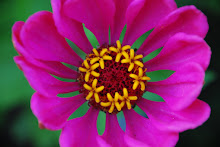
Peony 'Sarah Bernhardt'

Peony 'Sarah Bernhardt'
Showing posts with label Winter Gardening. Show all posts

Thursday, March 12, 2009

Indoor Seed Starting

Happy Sunshine Friends!

I did some indoor seed starting today. Growing veggies, herbs and flowers from seed is sometimes a more economical way to go than purchasing nursery grown transplants. Depending on what you are growing you can get more bang for your buck. If you are direct seeding into the garden you save the indoor seed starting expenses, but you will have longer to wait until your harvest. If you start seeds indoor you need to have the space, and be deligent about watching the temperature and humidity needs of your seedling babies. Plus you have the expenses of seed starting mix, trays, domes, inserts, peat pots or pellets, and possibly heat mats and lights.

I keep it pretty simple. I direct see into the garden as much as I can like peas, beans, a lot of herbs, all my root crops-carrots, radish, beets, turnips, parsnips, green onions, potatoes, garlic, shallots and most of my leafy greens like lettuce, spinach, chard, kale, mustards, etc. Then I buy transplants of the finicky heat-lovin summer veggies like tomatoes, peppers and eggplants. I usually start my squash and pumpkins indoors or just purchase the transplants from the nursery. I would also start from seed any varieties I know I won't get at the nursery. I don't use heat mats or supplemental lighting.

To get a jump start on this spring I decided to start indoors spinach, chard, arugula, several varieties of lettuce, chives, parsley, summer savory, and several varieties of companion flowers-calendula, nasturtium and cosmos. These are common annuals you can buy transplants pretty inexpensively. But I scored several packages of free seeds that are unique varieties. The plan is in early April when I direct seed these veggies into the garden I can also transplant my seedlings at the same time giving me a jump start on my harvest.

I am no expert at indoor seed starting, but I know a few basics. Always use a sterile seed starting mix. Not a potting soil and not soil from your garden. A seed starting mix is light and fluffy to promote seed germination, it is also sterile. You can buy a commercial brand like Black Gold (which is OMRI listed organic) or you can mix your own with a combo of peat moss, earthworm castings and perlite. Once you have your seed starting medium you need some trays and decide if you want to use re-usable plastic cell packs, peat pots, expandable pellets or coir fiber pots. So many choices. Next you need to read about what your seeds need to germinate. Some need darkness, some need light. Some like to be covered in the planting medium, some want to be exposed. Temperature needs also vary. Do your research first before planting.

When starting seeds indoors I use liquid seaweed. If you read my blog you'll know I use liquid seaweed for pretty much everything. I swear by it. I wet my peat pots with it prior to filling with seed starting medium. Once the seeds are planting I spray them with liquid seaweed. Good stuff.

I think the biggest problem with starting seeds indoors is "damping off" and hopefully you won't encounter this. Indoor seedlings also don't like fluctuation in heat and cold and hate drafts. They are quite sensitive.

I'll let you know how it goes.

In Health & Happiness,
Miss Jolie Ann

Planting Potatoes

Dear Friends,

It's a beautiful sunny day in Portland and appears to be the "Spring" weather we are all dreaming of. But, I have to say I was just out in the garden and that wind is dang cold. I never got around to planting my Walla Walla Onion bunches because my ears were so cold. But, I did get most of my potatoes planted. I grew potatoes last year for the first time. They were so easy and tasted so good I decided to grow lots more this year. 6 varieties: All Blue, Red Gold, Austrian Fingerling, Yukon Gold, German Butterball and Dark Red Norland. If you live in Portland and haven't yet checked out the potato selection at Portland Nursery-it's awesome. A great selection of varieties and good prices.

Growing your own potatoes is a very thrifty thing to do. They are easy to grow, don't need a lot of care and aren't picky about the soil they are in. They are also super cheap to buy. My seed potatoes cost between .10 and .39 cents (before my employee discount) each for one seed potato. That one seed potato will then yield about 10 more potatoes. The Territorial Seed Catalog says standard potatoes will yield about 10 times the amount originally planted and fingerlings will yield from 15 to 20 times the amount originally planted. So I just spent $1.22 total for my seed potatoes which at harvest will yield about 60 delicious homegrown organic potatoes. Yes, that is correct. Quite a bargain, eh? Grow potatoes! They store well, they are nutritious & filling, and very versatile in lots of recipes.

Here are some tips for potato growing. Potatoes like loose, well-drained soil. But, really, why do I even say that because that is what MOST plants want. Here in Portland plant potatoes in the late winter and early spring, up until 3 weeks prior to the average last frost date. Which for Portland is April 15th. Right now is a perfect time for planting potatoes. Last year and this year I've planted my potatoes in containers. They do well starting out in just a few inches of straight compost, just enough to cover them. At planting I water them in with liquid seaweed. As your potatoes begin to grow and sprout more leaves on taller stalks you can add another layer of compost covering a few inches of the stalk base. This layering of compost as the plant grows encourages more new root "arms" with more layers of potatoes growing underground.

To plant potatoes used certified seed potato from a reputable nursery or seed catalog. If your seed potato is small you can plant it whole. If it's large you can cut it into smaller pieces, but make sure each piece has three "eyes" sprouting. After cutting your seed potatoes dust them with powdered sulfur which will prevent fungal disease and let them air dry for a few days prior to planting. I eliminate this entire process by purchasing very small seed potatoes.

Potatoes want full sun and a weed-free growing area. Potatoes like a fertilizer high in Phosphorus (that's the "P" in your N-P-K ratio) and low in Nitrogen. I use Rock Phosphate which is a great natural source of Phosphorus. You could also use bone meal which is considered "organic" if you are cool with using the by-product of slaughter houses. Which as you know, I'm not. Naomi Montacre of Concentrates Inc in Portland describes Rock Phosphate as "soft colloidal phosphates mineralized from ancient sea fossils and shells, this is a good slow release source of phosphorous, calcium and trace minerals." You can also be thrifty and save money by purchasing your Rock Phosphate in bulk (again, at Portland Nursery).

All right readers, the one other thing I know about potatoes is it's super fun to dig them up and harvest! Email me with any questions.

I have dirty fingernails & I love it,
Miss Jolie Ann

Saturday, March 1, 2008

Pea Planting-Update

A few weeks ago I posted that I got started with my late winter garden seed planting-snow peas, snap peas, and 2 varities of radishes. Following my planting, this last week we had beautiful weather in Portland-sunny & high's around 55-60 degrees. It was incredible. This morning I noticed that my radish seeds had finally shot up little seedlings. Portland weather is unpredictable and to my dismay this afternoon's rain turned into a 20 minute heavy hail storm. Yikes! My raised garden beds were completely covered in a layer of white icy hail. I thought for sure my tiny new radish seedlings were goners. But, now it's 3 hours later and all the hail is melted. Radish seedlings are still standing. Fingers crossed they will continue to grow and thrive because I can't wait for home grown radishes and peas in another month!

Wishes for Beautiful Health,
Miss Jolie Ann

Friday, February 22, 2008

Pea Planting!


Hooray for the sunny weather, even if it is still cold. We have a brief respite from the rain and I am loving getting some work done in my garden. It's President's Day Weekend and the old saying is "Peas in by President's Day." I feel super blessed by the sunshine visiting in abundance the very weekend I wanted to get planting. Thanks again Mother Nature for your cooperation.


Tanya turned the compost bins and we harvested the first compost since we began 9 months ago. It was gorgeous rich black-brown. I've been composting for several years and it still amazes me every time I see the finished product. I spread lots of this fresh compost in my raised beds, particularly the bed that was plagued with pests and disease which completely destroyed my Autumn brassica crops.


I prepared two of my raised beds with a generous helping of Whitney Farm's Life Link Tomato & Vegetable Food. While preparing my beds for planting seeds I was careful not to disturb my overwintering red onions, yellow onions and garlic. Quite by surprise I discovered some overwintering carrots whose leafy tops were gone. I pulled 4 beautiful big carrots and ate them raw in a salad that same night. They were so sweet and quite an unexpected surprise!


This year I planted 2 varieties of Peas from Territorial Seed Company: Cascadia (snap) and Oregon Giant (snow). Check out Territorial Seed Company at: http://www.territorialseed.com/ This is the 2nd year I'm planting Cascadia, and Oregon Giant is something new for me. I coated my pea seeds well with an inoculant. Inoculant is supposed to enhance the nitrogen-fixing bacterial nodes on the plant roots (all in-line with the soil food workshop I recently attended!) I gave both pea plantings support by constructing bamboo & tree branch structures to climb. Along with my peas I planted radish seeds: Cherry Belle and Easter Egg.


Since planting 5 days ago we've had ample sunshine and a little bit of rain here and there. I'll expect to see radish seedlings poking up in another week, and peas the week after that. But for now I am ecstatic to gaze upon my minimal garden soaked in sunshine practically every day.

In Health,
Miss Jolie Ann

Thursday, February 14, 2008

The Late Winter Garden

Dear Gardening Friends,

In Portland we are about 2 months into winter with one more month to go! This is the time that we gardeners pour through our seed catalogs dreaming of warmer weather, bright sun, and long days in the garden. It is the time of year many of us get a head start on summer gardening my starting our seeds inside.

Last weekend I went to a Growing Small Fruit Class at Portland Nursery to improve my skills with strawberries, blueberries, blackberries, raspberries and grapes. This weekend I'll attend the annual Portland Yard Garden & Patio Show at the Oregon Convention Convention Center.

This is the season of planning and dreaming. I myself am daydreaming of the 5 new tomato varieties I am trying this year and the tiny pickling cucumbers I'll grow for canning homemade sweet pickle relish. I am excited for the vegetables I will grow: yellow wax beans, snow peas, carrots, zucchini, patty pan squash, pumpkins, lettuce & salad greens, spinach, swiss chard. I can almost smell the basils waiting to be made into homemade pesto. The bursts of color and joy that come from 6 varieties of sunflowers of all sizes and colors. Delicious strawberries picked and popped directly into your mouth.

In 2008 our Portland weather has fluctuated a lot from low 20s to low 50s, with lots of rain, high winds, sleet, hard frosts, and even a little sprinkling of snow. The weather is unpredictable and after several days well below freezing, once the sun came out and my bird bath water melted from it's ice cube state I am eager to get gardening. However, our average last frost date is April 15, so you cannot get too eager or you risk a late frost ruining all your tender young vegetable plants.

Last year in late March we moved into our rental house in SE Portland. I left behind my established vegetable, herb and flower garden at the duplex I'd lived in for over 3 years. Once settled in our new house a few weeks we quickly set out to remove grass and lay the foundation for 5 raised wooden beds, 2 compost bins, and 3 flower and herb borders. We removed a lot of grass and then I hauled in several truckloads of rich compost (from Mt. Scott Fuel Company conventiently located in my SE neighborhood). By the beginning of May I was already ready to plant my Summer garden. At the duplex during the winter I'd started 100s of plants from seeds to be transplanted into my Summer garden. Unfortunately the majority of them did not survive the trauma of moving into a new home and months of time & energy, not to all the money I spent on seeds was wasted. No worries I just started fresh by planting seeds directly in the ground at the new house. So this Spring I am all ready to go!

My late Winter garden still has some survivors and a little activity. Italian & Curly Parsley, French Sorrel and Cilantro have all survived with the hard frosts and snow with no protective measures on my part. Awesome. A lot of herbs hung in there until the week we had no moisture and temperatures steady in the 20s. That cold snap took the last of my lavender, sage, oregano, nasturtium, violets and alyssum. No worries because now I just cut the herb plants back and they return hardier than ever in the Spring. The flowers re-seed themselves and will be abundant by Summer. I also have overwintering carrots, red onions, yellow onions and garlic which should all be ready for harvest by late Spring/early Summer.

My raised beds with the overwintering vegetables and hardy herbs look pretty sparse this time of year. I clean them out during the fall and again in early winter to minimize hiding pests and disease. It also makes it easier to plant seeds immediately in the beginning Spring. Next weekend and then the first in March I'll begin planting my hardy Spring vegetables, flowers and herbs such as peas, radishes, violets, pansies--but more on that in another post. Heavy feeding vegetables last Summer and a very wet Winter have zapped my raised vegetable beds of essential nutrients. To prepare my raised beds I will be doing a simple soil test and then adding some Whitney Farms Life Link Tomato & Vegetable Food and Life Link All-Purpose Plant Food, depending on the need. I have success with both of these all natural products. You can buy Whitney Farms products all over Portland at Portland Nursery, Fred Meyer, and Wal-Mart. You can find great organic gardening information, particularly around soil amendments, at their website: http://www.whitneyfarms.com/

Late last Summer my Autumn greens: arugula, lettuce, spinach, were all devoured by slugs or snails-damn them! So this week I'm preventing slug and snail problems with a good dose of Sluggo, which is an all natural, organic gardening approved product containing iron phosphate. It holds up through the rainy springs of Portland and is safe to use around pets and wildlife. Sounds good to me!

Additionally I have 4 flower and herb borders on the east, south, west and north edges of my house. All year round I let the west side border go wild with whatever wants to grow there. There are bearded irises, snapdragons, daffodils, calendula, grass and an abundance of weeds. I let it grow wild as one dedicated space that remains undisturbed to shelter beneficial insects and whatever else decides to live there. My south side border is located in my backyard next to the raised vegetable beds. It is a blending of 3 existing rose bushes (At least 25 years old) and daffodils, plus the annuals and perennials I added last year-parsley, sage, marjoram, calendula, marigolds, dahlias, alyssum, nasturtium, pansies, violets, petunias. By Autumn the alyssum and nasturtium had "won" completely covering the bed and spilling out into the lawn. Both these plants seemed cold-hardy and unaffected as weather dropped into the upper 30s. So for the Winter I did not pluck out dead plants, prune, or clean up. Intentionally, I let everything die and wither where it was. I do this because as an Organic Gardener I am seeking collaboration with beneficial insects. Beneficial insects take care of pesty insects, pollinate my plants, and improve the quality of my soil. I am aiming for a biologically diverse garden with lots of plant variety. I attempt to garden more in tune with nature. For these reasons I resist the urge to clean up all areas of my garden in the Autumn. My messy more natural spaces provide food for wildlife-such as rose hips for birds, seeds for birds and squirrels. And, they serve a very important purpose of sheltering my beneficial insects during the cold wet Winters. I do not disturb the rambling overgrown alyssum plants because they are Winter hideaway of my garden friends. With balance in mind I did let myself clean up and prune the borders on the north and east side of my house because they are at the front and driveway and I look at them every day. I think the bugs are ok with that knowing they have 2 other big spaces to live undisturbed.

That's it for the Late Winter Garden here in SE Portland. I am eager to get started planting in the next few weeks and will post again soon about the early favorite: PEAS!

In health, Miss Jolie Ann