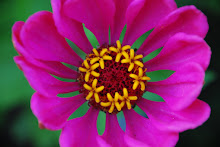
Peony 'Sarah Bernhardt'

Peony 'Sarah Bernhardt'
Showing posts with label Spring Gardening. Show all posts

Saturday, January 26, 2013

Vegetable Gardening Classes in February

Portland Friends,

Spring gardening season is right around the corner! I am teaching a free vegetable gardening for beginners class on Sunday February 17th 1pm at Portland Nursery 9000 SE Division Street: 

If you are excited to grow your own food but have little to no experience, this is the class for you! Edible gardening expert & enthusiast Jolie Grindstaff will discuss the basics of site preparation, crop selection based on site elements, planting and care techniques. With her years of experience, Jolie will demystify growing your own food and share her tips and techniques for beginner success. 

Registration is required and space is limited to 35. Please follow the Portland Nursery website link to register. I hope to see you soon!

Warmly,
Miss Jolie 

Thursday, April 8, 2010

A New Tiny Herb Garden for Miss Jolie

Dear Readers,

I am currently typing with dirt under my fingernails and that feels really really good. As you know I moved out of my house and garden in December. Today I realized I have not gardened since last October. And, that is just way too long for this dirt loving plant nerd earth mama. Tragic, I'd say. This morning I was feeling quite discouraged about my knee injury and I knew that getting my hands in some soil was just what I needed to feed my soul.

Behind my new apartment is a small brick lined raised bed, just laying empty. It is not in the most optimal spot as it is situated on the west side of my apartment getting shade from my apartment to the east and a large established Doug Fir tree to the south. I had been pondering over what to do with this tiny area for months. Should I try to plant some vegetables more tolerant of shade like lettuce and salad greens, perhaps a cutting flower garden, some strawberries? I finally settled on an herb garden. I can't live without herbs. For many years I had my own large garden bursting with every culinary herb imaginable. I was not in the habit of purchasing herbs when I went grocery shopping. As I was cooking, I would just walk into my garden and snip what I needed for that meal. I am ready for that again.

With my injured knee, the thought of gardening appeared a challenge. However, I knew it's what I needed today. And, there was a break in the rain. So I propped myself up on a milk crate so that I was not bending or bearing any weight on my injured knee. It was an interesting way to garden that I'm not accustomed to, but it worked for this tiny garden. I weeded, added my custom vegan fertilizer blend, and added a bag of compost. I installed a trellis up against the wall of my garden shed, which will serve as support to the 3 types of peas I planted. Since I'm getting such a late start planting peas, in addition to seeds, I planted a couple of plants acquired from my friend Laura's nursery "Mostly Medicinals." I'm excited for these yellow podded purple flowered peas that are heirloom seeds from India. And thank you to Peggy for sharing her leftover pea seeds. It's just not Spring without peas!

I started my tiny herb garden with a few culinary basics: rosemary, oregano, parsley, sage, cilantro, chives and lavender. When the weather warms up I will add basil, tarragon, lemon verbena, and shiso. I'm also thinking I can't live without thyme, yerba buena, winter and summer savory, mint, lemon balm, chamomile, fennel, sweet bay, marjoram...did I mention I love herbs?

In Health,
Miss Jolie Ann

Saturday, June 20, 2009

What I'm Harvesting in My Kitchen Garden-Summer Solstice

Summer Solstice Eve Greetings!

Here in Portland we had an amazing mid-May with higher than average Summer like temperatures, that created an awesome environment for planting heat-loving vegetables a little early. My tomatoes, sweet peppers, basil, eggplants, zucchini & summer squash are already doing tremendous. I'm very excited for this year's harvest, I think it's going to be a GREAT season for veggies. In June, our weather has returned to it's norm for Portland--overcast, rain, some sunbreaks, and temps in the 60's and 70's.

I've been attending the east bank farmer's market in Portland each week since it opened in May. It's been really awesome to see it change every week. The beginning of the season was limited with lots of greens, fava beans, and some early root crops like carrots, radishes & beets. Suddenly 3 weeks ago it just exploded with the addition of strawberries, raspberries, squash & yes the first tomatoes of the season. I've really enjoyed going to the farmer's market with my $40 budget each week and bringing home what's fresh & local. Then I create my weekly meals exclusively around that produce plus what I'm harvesting at home. It's been a wonderful experience cooking & enjoying such simple local food.

In my own garden I harvest almost every day lots of home-grown goodies. My favorite activity is watering the garden. I do so by hand, not drip irrigation, so that I can spend time with my plants observing them for growth, pests & disease. These days while I'm watering I graze on copious amounts of fresh strawberries & snow peas. The other night after a dinner party, I brought my guests into the garden to pick their own strawberries. Then we whipped up some fresh vanilla cream to dip them in. Yummy. Here's a sampling of what I'm harvesting right now on the eve of Summer Solstice:

Arugula, Beet Greens, Radishes, Snow Peas, Strawberries, Fennel, Kohlrabi, Kale, Spinach, Sorrel, Lettuce, Basil, Cilantro, Tarragon, Rosemary, Oregano, Sage, Lavender, and lots of edible flowers: calendula, marigolds, rose petals, violets.

My ornamental alliums, zinnias, amaranth, and daylillies have just begun to bloom. The pumpkins, winter squash, and cucumber plants are just beginning to send out their vines. The blueberry plants are loaded heavy with fat ripening berries. The garden is a-buzz with bee's, hummingbirds, butterflies, and lots of other beneficial insects and birds. It's a magical place. This is my 3rd year with this garden. I'm very proud of it and I know it's going to be a great season!

In Health & Wishing You Many Blessings,
Miss Jolie Ann

Saturday, May 16, 2009

Tips for Tomato Planting

It's finally tomato planting time in Portland! (Photo of ME delighted to be planting tomatoes!) I think gardeners get most excited about growing this one vegetable (technically a fruit). There is always "tomato madness" at the nursery every spring. Usually I would plant my tomatoes at the end of May. However today it's 80 degrees and the forecast is for the 2 days in the 80s and the extended forecast has night temps in the 50s the next 7 days, so I'm going for it! And since my soil is in raised beds it is very very warmed up. When I dig down 6 inches it's still literally "steamy" to the touch. Here are some tips I can offer towards tomato growing success:

  • Tomatoes like warm weather. You might be tempted to plant your tomatoes in April when we have a warm spell in Portland, but if you do you are asking for trouble. Tomatoes will be stunted with day or night temps under 50 degrees. Optimal time for planting in Portland is usually May15-the end of May. This is for the planting of "starts" not seeds. Portland does not have a long enough or hot enough summer to facilitate direct seeding tomatoes. If you want to start tomatoes by seed indoors your planting time is mid-February.
  • Tomatoes need FULL sun and lots of it. They will not set fruit in shady areas.
  • Tomatoes are "heavy feeders." Prior to planting amend your soil with compost and organic matter. I recommend Bumper Crop compost, Earthworm Castings & Coir. I work in all of these amendments prior to planting with an organic granular fertilizer, which will slow release to your plants through out the season. I custom blend my own. For a packaged fertilizer I'd recommend Down To Earth brand Vegan Mix or EB Stone brand Tomato & Vegetable fertilizer. At planting time and every other week I water my tomato plants with liquid seaweed. At planting time I also fill the planting hole with earthworm castings.
  • Tomatoes have very long root systems (3-4 feet) and they need plenty of room to grow. Make sure your planting bed is tilled deep enough for the tomato's roots. That also means no shallow containers, if you are growing in a pot. Give the plants plenty of space between each other.
  • Tomatoes don't need a lot of water. I made the mistake of over-watering my tomatoes last year, which caused blossom end rot. By over-watering I mean several times per week. When I consulted with veggie experts they all recommended a deep watering only once a week throughout the growing season. In a previous year, my inconsistent watering routine caused my tomatoes to crack and split open.
  • At planting time I put in the planting hole a spoonful of Rock Phosphate & Lime. These are good sources of calcium to help prevent disease problems tomatoes are prone to. Traditionally people have recommended Bone Meal as a source of calcium for tomatoes. It has 20% calcium and has high amounts of water-soluble phosphorus. However, bone meal is a by-product of the slaughter house industry and I'm not down with that. That's why I switched to Rock Phosphate, which has 19% calcium. It is a great source of both calcium and phosphorus to your plants with long-term availability up to 5 years! So, in conclusion: Rock Phosphate + Lime=good stuff for your tomatoes and no animal buddies killed for your gardening success!
  • Rotate your crops. Do not grow your tomatoes in the same place every year. This will create disease and pest problems. Use a 4 year rotation for all crops!
Here's a step by step guide to planting:


1. Dig a planting hole about 6 inches deep.
2. Drop in a spoonful of rock phosphate & lime.
3. Drop in a scoop of earthworm castings.
4. Place your tomato plant gently in the hole. Plant deep enough to cover the first set of leaves. Tomato plant leaves can sprout roots!
5. Fill in around the plant with earthworm castings.
6. Water in well with liquid seaweed.


7. Provide support (tomato cage) at planting time. Doing this later you run the risk of damaging the plant roots.
8. Tell them how much you love them and then daydream about all the tomatoes you'll harvest in August for fresh eating, saucing, canning....

Mid May Garden Update

It is a beautiful sunshiny May day today. An incredible 80 degrees and sunshine that just won't quit. Usually I would wait until the end of May to plant my heat loving vegetables like tomatoes, eggplants, peppers, and squash. But, the forecast is for day temps in the 80's the next 3 days and the extended forecast has night temps in the 50s for the next 7 days. My soil is super warmed up being in raised beds so I'm going for it! I'll be prepared with my frost blanket just in case the weather takes a turn for the worst next week.

Tomato & Friends Bed: See my other post on tomato tips for planting suggestions. In this bed the slow-poke peas are still not producing and it's time to put the tomatoes in so we just worked around them. We'll see how long I leave them in there if they are taking so long to produce any peas. I planted 5 varieties of tomatoes: green zebra, taxi, oregon spring, yellow pear & sungold. (I also have oregon star & garden peach in a containers.) Along with the tomatoes I planted sweet peppers: orange california wonder, banana, carmen & gypsy. I also planted some eggplant: black beauty, japanese long & listada de gandia. Of course there are also 3 varieties of basil tucked in there: lettuce leaf, genovese & siam queen thai. This bed is companion planted with 'state fair' zinnias and 'cinnamon star' sunflowers.

The Squash Mound: My squash mound is a very fun project I was excited to finally plant in today. In October I sheet mulched a 4'x8' space in the "lawn" (I use the term lawn lightly!). I knew I needed another veggie bed this year and I HATE removing sod to construct beds. So, I experimented for the first time with the sheet mulching technique. Basically you compost in place where you would like to plant 6 months later. I started with a layer of cardboard, which smothers the lawn & weeds and eventually decomposes. I then layered levels of organic material that will decompose and make soil that you can directly plant in. I started with un-composted yard debris, then a layer of un-composted food scraps, then a layer from my compost pile that was about half way composted, then a bag of chicken manure, then a bag of Black Forest compost, then a layer of bark mulch to suppress weed growth on the surface, then a bag of cocoa mulch to keep the neighborhood cats off the pile. Then I let it sit for 6 months. And today when I turned the mound it was the most luscious, soft, loamy, gorgeous soil I've ever planted into. The cardboard on the bottom was totally decomposed. It was amazing. I added my custom vegan fertilizer mix and thoroughly worked in a bag of Bumper Crop compost. Once I planted everything I mulched with a bag of Whitney Farms Garden Mulch. I hope my squash will be so happy in this delicious little mound. It was so warm when I planted--they should just love it! Here's what I planted: 1 zucchini, 1 yellow crookneck squash & 1 sunburst patty pan squash. I space them each about 3 feet apart, added worm compost to their planting holes, and watered in with liquid seaweed. I companion planted with 'rocket red' snapdragons, 'touch of red calendula' and I direct seeded 'bright lights' cosmos and 'starburst lemon aura' sunflowers. Once the calendula & snap dragons are in bloom it's going to look amazing. Here are some before and after planting photos

I'll think I'll wait another week on planting my cucumbers. Or who knows, after my blogging break I might make it back out there for some late afternoon planting! Hope you are all enjoying a blessed & joyful spring in your gardens.

In Health & Happiness,
Miss Jolie Ann

Wednesday, May 6, 2009

Happy May!

First Week of May Garden Update:

May 1: Happy Beltane & May Day!!!!!Today I pulled out the fall-planted cover crops: fava & crimson clover. Which was almost sad because their flowers were beautiful. They did a great job surviving the winter and just exploding in the early spring. They nourished the soil and blocked out weeds. I added them to my new sheet mulching projects. The bed they were planted in is becoming my new perennial bed, which I prepped for planting by amending with black forest compost and my custom vegan fertilizer blend. I pruned the roses which are really leafing out and installed a new wooden trellis for the climbers.

May 2: Oh my!!! This was the crazy little storm that came on suddenly and with much power-the black clouds rolled in, the temperature dropped, the winds picked up and got to 50mph gusts, downpour of rain, and lots and lots of large hail. It was just crazy! I was watching some of my trees literally bend in half and bounce back in the gusts. I watched from the window laughing and in total awe of the power of mother nature. Luckily, all my seedlings and garden babies survived. Unfortunately this storm took the life of one Portland resident when a tree fell on the car he was driving.

May 6: As of today Portland has had 2" of rain in May. That's 2" in 6 days! Fun! Fun! Won't need to water the garden for a while. Really need a break from the rain to mow the lawn though. I scored some free dahlia bulbs from the nursery because they were old and dried up. I'm soaking them in liquid kelp to try and pump them back up. So far they are really plump and juicy, we'll see if they grow when I plant them.

May 8: Today it was a beautiful sunny day and I worked in the garden for 6 hours non-stop. It was heavenly and divine. So peaceful and nourishing of my soul. I planted my new perennial garden with hollyhocks, gladiolus, english daisies (bellis), agastache, artemesia, lots of sunflower seeds, nasturtiums, marigolds and alyssum. I planted a wooden container box with lots of my favorite annuals: bedding dahlias, million bells, creeping zinnia, sweet potato vine, african daisies, purple orach & more. I also planted another flower bed with blue hyacinth vine, morning glories, bells of ireland (my favorite!!!!), black & blue salvia, cerinthe, and sunflowers. I prepped my summer squash bed, which is a 4'x8' area I sheet mulched last October.

I'll post some photos soon.
Happy May, Miss Jolie Ann

Thursday, April 23, 2009

Planting Timing

Dear Friends,

It is a beautiful Spring evening in Portland. Typical Spring weather for us: upper 50's, black clouds, then sunbreaks, then rain, then sunny. All that was missing today was a little hail. Ha-Ha! If you live in Portland you know what I speak of. Right now it's a beautiful blue sky with fluffy white "cotton ball" clouds starting to be streaked with shades of pink. I have the window cracked open and there are birds splashing in the birdbath right outside my home office window. Today I saw butterflies in my yard for the first time this season. My plum trees seemed to have overnight dropped their flower blossoms and leafed out completely green. I mowed my lawn 2 weeks ago and it already needs it again. Seeds are germinating, birds are singing, weeds are growing leaps and bounds. Spring is bliss, all of it.

This month Portland has been blessed with 2 weekends of sunny days and record high temps in the 70's. This type of early warm weather just explodes our "spring-fever-gardening-bug." (And, I'm not talking about a pest!) Enthusiasm, energy, and new found hopefullness of the Spring is a wonderful thing, but if we are to be succesful in the garden we must also temper it with some reality. Sadly folks, April is too early for basil, tomatoes, cucumbers, squash and peppers. (But, don't despair there are LOTS of other crops you CAN plant now). A lesson I learned early on is that every vegetable and herb has it's appropriate timing for planting. I learned this lesson by making lots of mistakes. Not everything goes in the ground at the same time. Each plant has it's own requirements for day length, soil temperature, and day & night air temperatures. There are cool season crops and hot season crops. In Portland we have a long growing season, but have short summers without a prolonged period of warm day & night temps necessary for a lot of heat loving crops to succeed. So, here are my tips for beginners and pro's on timing your veggie garden planting:

1. Plan! Plan! Plan! Educate yourself about what you want to grow and what grows well in your area and climate. Ask questions, talk to other gardeners.
2. Know your average last frost date! In Portland, our average last frost date is April 15th. Keep in mind this is an "average" not a "guarantee." Last year we had frost in Mid May and temps in the 40s conistently through the entire month of May. Watch the weather daily.
3. Plan for succession plantings of your crops rather than all at once. This way you will have an extended harvest and can plant warm season crops in the place you've harvested cool season crops.
4. Keep a gardening journal. This will help you document what works and what doesn't work. Reviewing my gardening journal from the previous year is an essential part of my current year planning.

The two resources that helped me the most when I was started out, and that I continue to use are (keep in mind these are resources specific to where I live):

The Maritime Northwest Gardening Guide produced by Seattle Tilth Fifth Printing 2005
Territorial Seed Company Catalog-get your free copy online at www.territorialseed.com

Also check out the Portland Nursery website for a free veggie planting calendar & veggie care-sheets: http://portlandnursery.com/plants/vegetables.shtml

And here's a quick summary of my garden planting. You'll notice many crops I plant every 2 weeks so that I have a succession of harvests throughout the season:

Late February: direct seed peas, arugula, radishes, scallions. Potato tubers, onion bunches, garlic cloves, raspberry canes & strawberry crowns. Plant seedlings-annual flowers (violets & pansies)
Mid March: direct seed spinach, chard, mustard greens, turnips, radishes, arugula, scallions, parsley.
Early April: direct seed mache, lettuce, carrots, radishes.
Mid April: direct seed beets, carrots, turnips, lettuce, arugula, radish, scallions, spinach, chard, mustard greens. Plant seedlings-kolarabi, florence fennel, annual flowers (alyssum, marigolds, petunias, snapdragons, calendula, lobelia)
Late April: direct seed beets, carrots, turnips, lettuce, radishes, arugula, spinach, chard, sunflowers, scarlett runner beans. Plant seedlings: artichokes, dill, chives, cilantro, tarragon, annual flowers (cosmos)
Mid May: direct seed pole & bush beans, beets, carrots, radishes, lettuce, basil & summer savory.
Late May: direct seed corn, bush beans, beets, carrots, radishes, lettuce. Plant seedlings: tomatoes, zucchini & summer squash, winter squash, pumpkins, basil, annual flowers (zinnia & cosmos)
Early June: Plant seedlings: cucumber, eggplant, peppers, gourds, basil, annual flowers

Happy Planting & Happy Spring!
In Health,
Miss Jolie Ann

Wednesday, April 22, 2009

What I'm Harvesting In My Kitchen Garden-Mid April

Dear Friends,

It's mid-April and we are all spending a lot of time planting in our gardens. Most of our harvest is many months away. It can be "slim-pickin's" for home harvesting this time of year. A few of my overwintered greens are still viable, as are the perennial crops just coming back, and some quick maturing stuff I planted last month. Here's what I harvested this week:

chives, oregano, cilantro, parsley
french sorrel
french breakfast radishes
italian kale
green wave mustard greens
edible flowers-violets, blue borage & chive blossoms

The good news is that seasonal Farmer's Markets are starting up again. Check out this link to find out what's happening in the Portland area: www.oregonfarmersmarkets.org

Also, check out this post from my archives with all kinds of great resources for seasonal eating:
http://missjolieannkitchengarden.blogspot.com/2008/03/some-thoughts-on-seasonal-eating.html

In Health,
Miss Jolie Ann

April Garden Update

It's been a busy month in the garden & here's what I've been working on:

April 11: Last year we planted an ever-bearing strawberry variety called 'Tri Star' and I was pretty disappointed with it's yield. It was in 2 separate 2'x4' raised beds. So, I pulled them all out of one raised bed and gave a bunch to my friend Blake for his garden. Then I amended this bed with "Bumper Crop" compost and my own custom vegan fertilizer blend. Into this bed I planted 'walla walla' onions (from "bunches"), and direct seeded 'cylindra' beets, 'magenta sunset' swiss chard and 'bordeaux' spinach. I have a burgundy color theme going on! In the other raised bed I left the 'Tri-Stars' because they looked so healthy and lush. I fed them with liquid kelp and decided to give them one more season. Both of these raised beds were also planted with white cosmos to help attract beneficial insects, plus I love how it looks when it's flowering! It's one of my summer favorites. In my "greens & roots" raised bed I did a succession planting and direct seeded carrots, turnips, scallions, and 4 types of lettuce.

April 16: It's the official "first day without frost" in Portland. Though, we know that frost can occur through May. April 15th is an approximate. However, it's a beautiful sunny day and I'm celebrating by spending the whole day in the garden! In my "greens & roots" bed I companion planted several flowers 'tangerine gem' marigolds, 'rocket pink' snap dragons and more 'walla walla' onions (pretty much I'm tucking them in everywhere I can!) The little 'gem' series marigolds are great in a garden of greens and roots, not only for their beauty, their smell that detracts garden pests, but also because they are edible and go great in a home-grown salad! In this bed I have a trellis, which in another month I'll plant with yard long beans. Today I direct seeded cardinal flower, which is a red flowered annual vine in the morning glory family. It should look beautiful mixed with the purple-podded skinny beans both climbing the trellis made of branches. In my "strawberry & friends" raised bed I have strawberry crowns I planted 2 months ago. They are leafing out nicely and I gave them a boost with liquid kelp (surprised?) and companion planted with pink allysum. The arugula and 'french breakfast' radishes are just about ready to harvest so I tucked in some 'florence' fennel transplants and companion planted with pink petunias. On the other side of this bed I planted 'kolibri' kohlrabi and direct seeded 'merlot' lettuce and 'walla walla' onion (that's right, more walla walla's!). The burgundy of the lettuce with the purple of the kohlrabi is going to look awesome. Plus, the kohlrabi will be harvested by the time the lettuce heads are maturing. My future "tomato & friends" raised bed currently has my February planted peas that are coming along REALLY slowly. In preparation for the tomatoes I will plant at the end of May, I amended this bed with "Bumper Crop" compost and my custom vegan fertilizer blend. I also boosted the peas with, guess what?-you guessed it-liquid kelp! In my raspberry raised bed I also amended with a bag of "Bumper Crop," my custom fertilizer blend, and more liquid kelp. The 'Summit' raspberry canes are really leafing out nicely. They look great! I am savoring the thought of eating fresh sweet raspberries straight off the canes. Yummy.

April 22: I have always wanted to grow artichokes for their edibleness as much as their beauty. So, today I planted my brand new "artichokes, herbs & friends" raised bed. This is a 2'x12' raised bed I tried growing tomatoes in last year with not much success because I think it doesn't get enough sun. A few weeks ago I harvested the overwintering mustard greens that were here since last September and amended with "Bumper Crop" compost, and my custom vegan fertilizer blend. I planted 2 'Imperial Star' artichoke plants, and 1 purple heirloom variety who's name is escaping me at the moment. I companion planted the artichokes with white allysum and orange calendula. The calendula are edible and I eat their pretty petals in salad. I also tucked in more white cosmos. This raised bed is on the western part of my yard so I planted a series of 6' tall hollyhocks (alcea) along the back. My friend Margie told me that they are really prone to rust and need good circulation, so this is a perfect place for them where they won't be crowded and there's plenty of air flow between them. I have always wanted to plant hollyhocks, they are one of my favorite flowers! They fondly remind me of sunbathing with Catherine on the meadow in front of the lodge at Breitenbush Hot Springs in late August. Delightful! One of end of this long raised bed I planted some perennial & annual herbs: pineapple sage, 'alba' rosemary (a white flowering heirloom variety), french tarragon, cilantro and italian parsley. On the other end I planted dill and nasturtiums and constructed the bamboo tee-pee that will support the purple, yellow & green pole beans I'll direct seed in mid-May.

April 30: I love sunflowers! They are one of my favorite summertime & autumn flowers. I like to find the room to grow several varieties. Today I direct seeded some into my raspberry bed and my perennial butterfly garden. I also seeded several varieties into coconut coir pots with seed starting mix to give them a jump start before planting them pot and all directly into the garden. Today I cleaned up my perennial butterfly garden which is a bed up against the East side of my house. I planted this bed last June and then it took quite a beating all July-August when my landlord re-sided my house and trampled it to the ground and covered it in lead paint scrapings. It was a mess. Then followed the brutal storm in December that took out my rosemary planted here. To my delight many of the plants are coming back stronger than ever. The centranthus and salvia are both preparing to bloom. The lavender, yarrow and aster are big. And the echinacea, rudebekia, and coreopsis are all beginning to show some new growth. The verdict is still out on the agastache and penstemon. I had a monarda, fleabane, and galardia in pots from last year that I transplanted into this bed today. I also amended with 'Black Forest' compost, my custom vegan fertilizer blend, and a dose of liquid kelp before covering with Whitney Farms 'garden mulch' and watering everything in. Looks good! It's on my agenda to tear out all the bluebell bulbs from one end (that came with the house) and plant something else-maybe more galardia, black & blue salvia, or lecanthemum. We'll see...

Happy Gardening,
Miss Jolie Ann

Friday, March 20, 2009

Spring Equinox Eve Garden Update

Hi friends!

Tomorrow is the "official" first day of Spring, the Spring Equinox. Spring is always wacky in Portland. Last night I drove home from my speaking gig at 9pm and it was still 60 degrees and I had the sunroof down. Last week we had night temps in the upper 20s and I was wearing long johns. Remember, our average last frost date in Portland is April 15th. Last year we still had frosts up until the end of May!!!
My indoor seed starting has progressed nicely. Here's a photo one week after I planted the seeds. Everything has germinated except the herbs: parsley, chives & savory. I especially love the 'Magenta Sunset' Chard. It is a magenta ribbed plant and you can already see the tint in this tiny one week old seedling. I love it! You can also see all the seedlings are titleto the left which is the direction of the sunny kitchen window!

My peas have finally germinated. I sowed snow and sugar snap peas directly into the garden almost exactly one month ago and they have been total slow pokes! But, here's the proof they have finally germinated. YAY! The strawberry crowns I planted the same day along with arugula and radish seeds are all lookin lovely.


Here are 2 winter veggies I'm very proud of. This is 'green wave' mustard greens and some Italian kale I planted back in late September. Both of these plants weathered the big snow storm and when the 2 feet melted off them they were alive and kicking. They are both starting to leaf out again.


This is a photo of 2 cover crops I planted in late September--fava bean and crimson clover. They had both germinated and were pretty young when the Christmas snow storm hit. Once it melted they both looked slimy and dead. Within another month they had bounced back and look how luscious they are now!

That's is all the gardening news for this week. I didn't do any new planting this week because I'm recovering from the flu. I was happy today to get into the garden for a while to take these photos, assess progress, turn the compost pile, and pull a few weeds. There's a major project in the works for this weekend clearing away the plum tree wreckage that is covering nearly half my backyard.

Well, happy Spring Equinox eve and many blessings on you and your gardens!
In Health,
Miss Jolie Ann
P.S. If the format of my postings has been looking very bad, I am having a very difficult time editing lately. The more photos I've been adding change the layout and I haven't found any easy way to adjust the way the postings look. I know the print is coming out weird on the actual blog and that's never they way it looks in my posting previews. It's not accepting my line spacing and slamming everything together and then in the next post adding it's own double spacing making the posting REALLY long with stupid spacing. So, I do apologize if it's been hard to read my blog. I'm doing the best I can. I will see what I can figure out. Sorry! Miss Jolie Ann

Wednesday, June 18, 2008

Garden Harvest Mid-June


We've finally been blessed with partially sunny days with daytime temps in the 60s and 70s. Although, it really doesn't feel much like June yet. Such a slow start to spring and the Summer Solstice is quickly approaching this week.

Most everything is continuing to grow in my kitchen garden. This is what all I'm harvesting this week:

Peas: Sugar Snap & Snow
Lettuce: Red Romaine, Buttercrunch, Looseleaf
Mesclun Mix
Sorrel
Beet Greens
Giant Red Mustard Greens
Radishes
Scallions
Onions: Walla Walla overwintered-started last summer
Herbs: Basil, Cilantro, Dill, Fennel, Oregano, Parsley, Chives, Sage, Rosemary, Thyme, Tarragon
Edible Flowers: Roses, Pansies, Violets, Calendula, Blue Borage, Nasturtium

And, let's not forget THE FIRST STRAWBERRIES OF THE SEASON!
It's really hard to let them get large and fully ripe because they look so delicious and yummy I immediately want to eat them ALL straight off the plant. There is a different shade of red, tenderness and of course sweet flavor that comes only from home-grown freshly-picked strawberries. You will never get this flavor from store bought strawberries.

In Health,
Miss Jolie Ann

Tuesday, May 20, 2008

Spring Garden Update-2nd Week of May-90 degrees!?!

Greetings from my Kitchen-Garden in the 2nd week of May!

Well, the continuing trend of wacky Spring weather moves on in Portland...This week we went from rain and upper 50s & low 60s to 90s with no 70s or 80s in between. In hurried desperation I busted out my window a/c from it's winter hibernation in the garage and used it every evening for 4 nights. Then after 5 days of 90 degree weather we went right back to 58 and rainy today. Once again, I'll just say this is WEIRD weather even for the unpredicatable-ness of Spring in Portland. And, this kind of up and down extreme weather can just wreak total havoc on your garden.


Last week 2 days prior to the "heat-wave" I got planted the tomato bed. Usually I wait until the end of May around Memorial Day to plant my tomatoes. But, since we are expecting such high temperatures I'm giving it a try now. Unfortunately to plant the tomatoes I had to pull out the tiny spinach, chard and cilantro seedlings I planted from seed in March. This was supposed to be a good use of succession planting, but these guys all took too long and never developed in time. Oh well, honestly, I'd rather have the tomatoes. To prepare my bed for planting I used an organic soil amendment called Bumper Crop by Nurseryman's. It's awesome and loaded with all kinds of good stuff for veggies. I also tried red plastic mulch sheets under the tomato plants this year. I planted 5 tomatoes varieties I'm very excited about: Yellow Pear (cherry), Sweet Million (cherry), Stupice (early slicer), Persimmon (heirloom slicer), and Brandywine (heirloom slicer). I companion planted my tomatoes with alyssum, cosmos, zinnia, marigolds, nasturtium, borage, dill, basil & cilantro. The herbs & cosmos did well but the marigolds and nasturtium totally wilted and died. I don't know if it was the HEAT WAVE or maybe the bumper crop that killed the flowers. I am glad that I got my tomatoes in because they literally doubled in size in the 4 day heat wave.


The Scarlet Runner Bean seeds planted 2 weeks ago have germinated and sprouted up little seedlings. My sugar snap and snow peas are finally growing bigger and bigger. They are really developing late, but I'm glad better late than never, eh?


Just prior to the heat wave I planted another raised bed with more veggie starts: dinosaur kale, rainbow swiss chard, and romaine lettuce. I companion planted with nasturtium, marigolds, snapdragons, cosmos, calendula and alyssum. And, again the marigolds and nasturtium totally died, so I think it was the heat, because I didn't use any bumper crop in this bed. The chard and lettuce totally wilted in the heat but have bounced back fine now that the temps are returning to normal. In this bed the arugula I planted last month totally bolted in the heat. Sadly now I have lots of little white flowers and no much anticipated fresh arugula leaves. Darn that sudden heat wave! It knocked out my entire arugula crop.


In another raised bed buttercrunch lettuce, red romaine lettuce and giant red mustard greens are doing well. I harvested the first head of red romaine lettuce, on hot day, and it was a little bitter. Luckily none of it has bolted in this hot heat. In this bed my dahlia bulbs have sprouted and the companion planted dill, cosmos, and calendula doing well-blooming. This is the raised bed I used "weed whomping mulch" in a a few months ago. It's pretty mixed results as weeds have continued to sprout. Last winter's parsnip tops are growing huge and I wonder what's going on with the tasty roots under the soil.


I tried a new product in my flower bed: Cocoa Mulch and a granular "Shake Away" cat repellent. They both are natural products aimed at keeping cats out of the garden. My flower bed is the neighborhood cat's favorite litter box. Well, the products did keep them out of the targeted flower bed, but apparently it forced them to retaliate in another flower bed where I'd started sunflowers from seeds. Their litter-box-style-scratching destroyed my sunflower seedlings. Now I'll have to buy some sunflower transplants from the nursery. Bummer. I really love sunflowers.


Another sprinkling of sluggo-I've been consistent about every 2 weeks. Sluggo seems to be working well. No signs of slugs yet. I've seen a few aphids here and there, but I also have seen ladybugs here and there, so I'm not worried, yet. Last year we had the aphid summer from hell. The aphids were literally raining from the sky (out of the completely infested plum tree) and they knocked out my entire brassiaca crop. There are definitely masses of cabbage moths everywhere, damn them! Or it could be one really active moth. So I sprayed some BT solution on the veggies, which is a natural product that only targets cabbage moth larvae. It is safe for beneficial bugs, pets, wildlife, and ok to use on my food crops. Hopefully that will do it before they can do too much damage.

For now that's it from my kitchen-garden. Hope you are enjoying your garden!

In Sunshine,
Miss Jolie Ann

Wednesday, April 23, 2008

Spring Garden Update-April

Spring Garden Update...We continue to have crazy weather with snow just 3 days ago, hail, thunder, wind, lots of rain, and really really cold spring temperatures. This is exceeding the Portland average for Spring weather craziness. I am beginning to lose my tolerance and patience.

We are now past Portland's average last frost date of April 15. I know it's an "average" date of last frost, but come on, it's actually still snowing here and there. A week ago we had a 60 degree day followed by a sunny 85 degree day. It was incredible. Since my germinated seeds have been so slow to progress in my garden, I indulged in some instant gratification buying 2 tray packs of lettuce starts. Lettuce is relatively cool tolerant. I planted it in the empty bed that's set aside for summer squash planting in late May. I figure they will be fully grown and harvested by the time the weather has warmed up enough for planting summer squash. But, I actually ended up covering them with cardboard boxes overnight when it suddenly dipped into the low 30s again. All right then, the weather needs to take it's bipolar medication. That's my official opinion as a professional gardener and a former mental health professional.

Ok, now that I'm done complaining about the weather...So, when we had that lovely 85 degree day a week ago I went ahead and purchased and planted nursery starts of flowers & herbs to attract beneficial insects: dill, calendula, alyssum, bronze fennel, cosmos. Looks like they have survived the cold-snap that immediately followed their planting.

Most of the seeds I started in the end of February and through March germinated fine but have really ceased to grow due to the cold temperatures. I have only harvested a meager sampling of radishes, the perennial parsley & sorrel, also overwintered onions, and green garlic. My pea seeds were the first to go in the ground in late February and the seedlings have not grown above 1 inch. Peas like cool temperatures, and even they seem stunted by the cold weather.

I was surprised to find some small parsnips where I started parsnip seeds last summer in anticipation of a winter harvest. I did not harvest any parsnips this winter, in fact I thought all the seed failed. But here they are poking up their tall green tops and getting bigger every day. I'll have parsnips this spring which is a delightful unexpected surprise!

Here's to Spring Garden Surprises,
Miss Jolie Ann

Wednesday, April 2, 2008

Spring Goes On...Frost, Rain, Hail & Snow

In the first few weeks of "SPRING" we've had it all in Portland: rain, hail, sleet, even snow...crazy weather! And some cold cold days back in the 30s. Dang. Our freezing night temps and hard frosts are then sometimes followed by sunny days. My bird bath continues to freeze solid and plants that survived the winter are now flopping over seemingly dead from the hard frosts, dry days and cold winds.

This is really what spring is all about in Portland. Massive fluctuations in weather. As gardeners we get really excited and the unpredictable weather can severely undermine our gardening efforts if we make incorrect planting choices. After a winter of gardening dreaming and planting we get so excited when it's finally a sunny day or when the rain at last stops. Our enthusiasm can lead us into unwise choices regarding purchasing and planting. This is not the month for tomatoes, basil, sunflowers, or those beautiful hanging baskets with tender annuals like fuchsia and geraniums.

Hold off on those summer favorites and instead focus on your small fruit and perennial plantings. There are also several cool-hardy spring veggies that you can get planted from seed now like snow/snap/shelling peas, radishes, arugula, spinach, chard. It's also time to plant from seed Slow Bolt Cilantro. Check out "The Maritime Northwest Gardening Guide" by the Seattle Tilth for very practical advice on the timing of planting specific to our climate.

When we get a sunny day focus on spring clean-up in the yard and prepare your garden beds by amending with a good compost. Remember not to work your soil if it's still soaking wet from the rain. Wait until it has dried out. This month I've tried three different compost products and here are my reviews...

EB Stone Planting Compost: I amended my raised beds with it, particularly around my strawberries and I was not too impressed. I felt like it had way too many woody pieces in it. I would use it again for planting trees or shrubs, but not in beds for vegetables, strawberries, herbs, and annuals.

Black Forest Organic Compost: I amended my flower and herb bed with this product and I really liked it. It has a great consistency and it's color is dark and rich looking. It did not have the woody pieces of the EB Stone brand. I will definitely use this compost again for perennials, annuals, herbs, veggies, amending the ground and in raised beds. It's worth the money.

Bumper Crop: This product is made by Nurseryman's the same company that makes Black Forest products. It's a great amendment formula including mushroom compost, earthworm castings, lime, composted manures, and healthy bacteria. I'm using it to top dress in a raised bed that currently has overwintering onions and new spinach and chard seedlings. I am preparing the bed for my tomatoes plants that will go here in late May. I would absolutely recommend this product and will be using it again.

Happy Gardening,
Miss Jolie Ann

Friday, March 21, 2008

Happy First Day of Spring!

In honor of the Spring Equinox I potted up several early spring flowering containers. It's a great time for cool hardy bedding annuals like pansies and violets. (You can also get primroses this time of year-but yuck! Personally, I am not a fan of primroses-I think they are ugly wrinkled up little flowers) At this time of year you can also get a wide variety of potted spring flower bulbs like daffodils, tulips and hyacinth. I even added some white allysum to my containers which has done just fine on my covered front porch. Suddenly my front porch and entry stairs are filled with color which is so refreshing after winter! I also keep a small potted hyacinth on my kitchen windowsill to enjoy it's very fragrant blossoms.


My favorite container creation: This week I planted a container for my front porch that I am really enjoying. I used a dark green 18 inch bowl container and filled it with...
1 Black Delight Viola
1 Black Monda Grass (Ophiopogon planiscapus 'Nigrescens' )
2 Dark Dancer (Trifolium repensoxalis )

4 Purple Tulips (I bought them potted and separated the bulbs for transplanting into my container)

My favorite garden color combo...I tucked in some blue violas in with my existing flat leaf and curly parsley in my raised beds. It provided a great splash of color in my flowerless late winter garden.

Friday, February 22, 2008

Pea Planting!


Hooray for the sunny weather, even if it is still cold. We have a brief respite from the rain and I am loving getting some work done in my garden. It's President's Day Weekend and the old saying is "Peas in by President's Day." I feel super blessed by the sunshine visiting in abundance the very weekend I wanted to get planting. Thanks again Mother Nature for your cooperation.


Tanya turned the compost bins and we harvested the first compost since we began 9 months ago. It was gorgeous rich black-brown. I've been composting for several years and it still amazes me every time I see the finished product. I spread lots of this fresh compost in my raised beds, particularly the bed that was plagued with pests and disease which completely destroyed my Autumn brassica crops.


I prepared two of my raised beds with a generous helping of Whitney Farm's Life Link Tomato & Vegetable Food. While preparing my beds for planting seeds I was careful not to disturb my overwintering red onions, yellow onions and garlic. Quite by surprise I discovered some overwintering carrots whose leafy tops were gone. I pulled 4 beautiful big carrots and ate them raw in a salad that same night. They were so sweet and quite an unexpected surprise!


This year I planted 2 varieties of Peas from Territorial Seed Company: Cascadia (snap) and Oregon Giant (snow). Check out Territorial Seed Company at: http://www.territorialseed.com/ This is the 2nd year I'm planting Cascadia, and Oregon Giant is something new for me. I coated my pea seeds well with an inoculant. Inoculant is supposed to enhance the nitrogen-fixing bacterial nodes on the plant roots (all in-line with the soil food workshop I recently attended!) I gave both pea plantings support by constructing bamboo & tree branch structures to climb. Along with my peas I planted radish seeds: Cherry Belle and Easter Egg.


Since planting 5 days ago we've had ample sunshine and a little bit of rain here and there. I'll expect to see radish seedlings poking up in another week, and peas the week after that. But for now I am ecstatic to gaze upon my minimal garden soaked in sunshine practically every day.

In Health,
Miss Jolie Ann

Thursday, February 14, 2008

The Late Winter Garden

Dear Gardening Friends,

In Portland we are about 2 months into winter with one more month to go! This is the time that we gardeners pour through our seed catalogs dreaming of warmer weather, bright sun, and long days in the garden. It is the time of year many of us get a head start on summer gardening my starting our seeds inside.

Last weekend I went to a Growing Small Fruit Class at Portland Nursery to improve my skills with strawberries, blueberries, blackberries, raspberries and grapes. This weekend I'll attend the annual Portland Yard Garden & Patio Show at the Oregon Convention Convention Center.

This is the season of planning and dreaming. I myself am daydreaming of the 5 new tomato varieties I am trying this year and the tiny pickling cucumbers I'll grow for canning homemade sweet pickle relish. I am excited for the vegetables I will grow: yellow wax beans, snow peas, carrots, zucchini, patty pan squash, pumpkins, lettuce & salad greens, spinach, swiss chard. I can almost smell the basils waiting to be made into homemade pesto. The bursts of color and joy that come from 6 varieties of sunflowers of all sizes and colors. Delicious strawberries picked and popped directly into your mouth.

In 2008 our Portland weather has fluctuated a lot from low 20s to low 50s, with lots of rain, high winds, sleet, hard frosts, and even a little sprinkling of snow. The weather is unpredictable and after several days well below freezing, once the sun came out and my bird bath water melted from it's ice cube state I am eager to get gardening. However, our average last frost date is April 15, so you cannot get too eager or you risk a late frost ruining all your tender young vegetable plants.

Last year in late March we moved into our rental house in SE Portland. I left behind my established vegetable, herb and flower garden at the duplex I'd lived in for over 3 years. Once settled in our new house a few weeks we quickly set out to remove grass and lay the foundation for 5 raised wooden beds, 2 compost bins, and 3 flower and herb borders. We removed a lot of grass and then I hauled in several truckloads of rich compost (from Mt. Scott Fuel Company conventiently located in my SE neighborhood). By the beginning of May I was already ready to plant my Summer garden. At the duplex during the winter I'd started 100s of plants from seeds to be transplanted into my Summer garden. Unfortunately the majority of them did not survive the trauma of moving into a new home and months of time & energy, not to all the money I spent on seeds was wasted. No worries I just started fresh by planting seeds directly in the ground at the new house. So this Spring I am all ready to go!

My late Winter garden still has some survivors and a little activity. Italian & Curly Parsley, French Sorrel and Cilantro have all survived with the hard frosts and snow with no protective measures on my part. Awesome. A lot of herbs hung in there until the week we had no moisture and temperatures steady in the 20s. That cold snap took the last of my lavender, sage, oregano, nasturtium, violets and alyssum. No worries because now I just cut the herb plants back and they return hardier than ever in the Spring. The flowers re-seed themselves and will be abundant by Summer. I also have overwintering carrots, red onions, yellow onions and garlic which should all be ready for harvest by late Spring/early Summer.

My raised beds with the overwintering vegetables and hardy herbs look pretty sparse this time of year. I clean them out during the fall and again in early winter to minimize hiding pests and disease. It also makes it easier to plant seeds immediately in the beginning Spring. Next weekend and then the first in March I'll begin planting my hardy Spring vegetables, flowers and herbs such as peas, radishes, violets, pansies--but more on that in another post. Heavy feeding vegetables last Summer and a very wet Winter have zapped my raised vegetable beds of essential nutrients. To prepare my raised beds I will be doing a simple soil test and then adding some Whitney Farms Life Link Tomato & Vegetable Food and Life Link All-Purpose Plant Food, depending on the need. I have success with both of these all natural products. You can buy Whitney Farms products all over Portland at Portland Nursery, Fred Meyer, and Wal-Mart. You can find great organic gardening information, particularly around soil amendments, at their website: http://www.whitneyfarms.com/

Late last Summer my Autumn greens: arugula, lettuce, spinach, were all devoured by slugs or snails-damn them! So this week I'm preventing slug and snail problems with a good dose of Sluggo, which is an all natural, organic gardening approved product containing iron phosphate. It holds up through the rainy springs of Portland and is safe to use around pets and wildlife. Sounds good to me!

Additionally I have 4 flower and herb borders on the east, south, west and north edges of my house. All year round I let the west side border go wild with whatever wants to grow there. There are bearded irises, snapdragons, daffodils, calendula, grass and an abundance of weeds. I let it grow wild as one dedicated space that remains undisturbed to shelter beneficial insects and whatever else decides to live there. My south side border is located in my backyard next to the raised vegetable beds. It is a blending of 3 existing rose bushes (At least 25 years old) and daffodils, plus the annuals and perennials I added last year-parsley, sage, marjoram, calendula, marigolds, dahlias, alyssum, nasturtium, pansies, violets, petunias. By Autumn the alyssum and nasturtium had "won" completely covering the bed and spilling out into the lawn. Both these plants seemed cold-hardy and unaffected as weather dropped into the upper 30s. So for the Winter I did not pluck out dead plants, prune, or clean up. Intentionally, I let everything die and wither where it was. I do this because as an Organic Gardener I am seeking collaboration with beneficial insects. Beneficial insects take care of pesty insects, pollinate my plants, and improve the quality of my soil. I am aiming for a biologically diverse garden with lots of plant variety. I attempt to garden more in tune with nature. For these reasons I resist the urge to clean up all areas of my garden in the Autumn. My messy more natural spaces provide food for wildlife-such as rose hips for birds, seeds for birds and squirrels. And, they serve a very important purpose of sheltering my beneficial insects during the cold wet Winters. I do not disturb the rambling overgrown alyssum plants because they are Winter hideaway of my garden friends. With balance in mind I did let myself clean up and prune the borders on the north and east side of my house because they are at the front and driveway and I look at them every day. I think the bugs are ok with that knowing they have 2 other big spaces to live undisturbed.

That's it for the Late Winter Garden here in SE Portland. I am eager to get started planting in the next few weeks and will post again soon about the early favorite: PEAS!

In health, Miss Jolie Ann