Peony 'Sarah Bernhardt'

Peony 'Sarah Bernhardt'
Showing posts sorted by relevance for query tomato soup. Sort by date Show all posts

Wednesday, September 16, 2015

Late Season Tomato Care & Recipes

Good morning gardeners!

Earlier this week I joyfully completed some garden clean up tasks in the cool drizzling September weather. Our raspberry plants produce twice a year. The fall berry crop is here and their weight actually tumbled the heavy canes over and broke their twine support. Time to harvest, prune up a bit, and retie supports. This type of raspberry will fruit on last year's canes so I need to be careful to not prune too much of the canes that will produce next year.


The garden bounty still includes cucumbers, beans, leeks, 'walla walla' onions, chard, and lots of herbs. We just harvested the last of our spring planted potatoes-fingerling and 'all blue' varieties. The summer squash plant finally fell prey to powdery mildew so I pulled it out of the garden. Our fall/winter crops are slowly growing: broccoli, kohlrabi, kale, and spinach.


Next I spent some quality time with my tomato plants. This has been an incredible summer for tomatoes, the best I can remember! My three cherry tomato, 'San Marzano' paste tomato, and 'Big White Pink Stripe' slicing tomato plants have all finished producing. I harvested the last of these tomatoes, composted the plants, and spread the soil from their containers around some shrubs. I grow a lot of edibles in containers and I never reuse the soil another year for edibles. First, the soil is tapped out of nutrients after working so hard to produce edibles all summer. Second, many fungal problems are soil borne and specific to individual crops or families. Better to spread this soil around an ornamental area of my garden, far from the edibles.


This leaves two tomato plants still standing: 'Lemon Boy' and 'Orange Strawberry.' These sturdy plants are still loaded with green fruit. Our average last frost in Portland is November 15. However, tomatoes do not thrive with night temperatures lower than 55 degrees. Currently our night temperatures are averaging around 55 degrees, with some nights cooler. Additionally, our day lengths are shortening and the sun is moving farther away from us. These are not ideal conditions for the summer-loving tomato.

At this point in the season you want your tomato plants to focus on ripening their existing green fruit. You don't want your tomatoes putting energy into green leafy plant growth or in producing any new fruit. There isn't time for new fruit production, with the exception of the tiny fruit of cherry tomato varieties. Indeterminate varieties of tomatoes will just keep growing and flowering until a frost kills them. That isn't helpful by this point in the season. We can encourage our tomatoes to focus on ripening their fruit by literally stressing them out. Tomatoes are seed-carrying fruits as a means of reproduction. When the tomato plant is stressed it stops growing and exerts its energy into its fruit.


--Prune your tomato plants to remove leaves and branches without fruit. Keep only the branches with fruit and a few leaves. It may seem brutal, but it is ok.


--Stop watering your tomato plants. I stopped watering mine in late August. Tomatoes are pretty drought tolerant.

--I know people who swear by root pruning. They slam a shovel into the soil around the base of the tomato plant which chops off the plant roots. I've never tried this technique, but I thought I would pass it on.

--Prune off any flowers, these are trying to produce new fruit. Next prune off any of the smaller green tomatoes. These may not have enough time to grow bigger and ripen on the plant. Let your tomato plant focus on the larger fruits. The smaller green fruits you prune off can ripen on the kitchen counter. Or use them for delicious green tomato recipes like: fried green tomatoes, green tomato chutney, green tomato gazpacho.

Here is my recipe for fried green tomato salad with feta & balsamic drizzle and here is my recipe for vegetable salad with fried green tomatoes & basil dressing.


And finally, what to do with all of those delicious ripe tomatoes? How about my favorite autumn tomato soup recipe? Autumn Garlicky Tomato Soup with Kale is flavorful and fresh with ingredients from the garden. Simple, delicious and nutritious.


This week I just whipped up our second batch of slow roasted tomato sauce. I froze 2 quarts and reserved 2 quarts for cooking this week. I baked a ridiculously good casserole of yam, garden fresh butternut squash, fingerling & purple potatoes, cheese, and I covered the whole mix with slow roasted tomato sauce before baking. Yum. This morning I am cooking a soup with a base of slow roasted tomato sauce, spaghetti squash, lentils, and quinoa. This cooler weather has really inspired me to get back into my kitchen!

Autumn Equinox is just around the corner on September 21st. Enjoy all the flavors, colors, and textures of the season!

Happy Gardening, Jolie

Monday, October 13, 2014

Autumn Garlicky Tomato Soup with Quinoa & Kale

Happy October friends!
It has been a mild and beautiful autumn in Portland. One of our 4 maple trees has shed it's colorful leaves all over the yard. Some days are sunny & warm, and some are foggy, wet with a chill in the air. Its not too cold to harvest fresh herbs, greens, and even tomatoes from the garden. I love this time of year. It is the beginning of soup season!

I love a good tomato soup. Here are links to other soup recipes I've created. Today's recipe is just a variation on these others. Tomato soup is excellent on its own. Even better with a grilled cheese dipped in. I use quinoa and kale in this recipe. These could easily be substituted for barley, rice, couscous, or your favorite small pasta shape. Swiss chard or spinach could stand in for the kale. Garbanzo or cannellini beans would be equally at home in this savory soup.

You can use fresh tomatoes from your garden, your own tomatoes you've canned or frozen, or store bought tomatoes in a can. Fresh herbs from the garden make all the difference in this recipe. The intense fragrant flavors of garden grown & freshly snipped oregano and basil can not be matched by dried herbs.

This delicious soup is simple and quick to make in under 30 minutes. It is a favorite in our house and a staple in my recipe arsenal. I hope you enjoy it!


6 cloves of garlic, minced
extra virgin olive oil
a few sprigs fresh oregano, leaves finely minced
a few sprigs fresh basil, leaves finely minced
4 lacinato kale leaves, de-ribbed and thinly sliced
about 6 cups diced tomatoes (or 2-48oz cans)
1 vegan broth cube
1 cup COOKED quinoa
1 cup water
1 cup unsweetened plain soymilk
honey
optional: shredded parmesan cheese

1. Sauté over medium heat for a few minutes the garlic, basil and oregano in a splash of olive oil. Add the kale and continue to sauté a few minutes more until the leaves are wilted but still bright green.
2. Add the tomatoes, broth cube, quinoa and 1 cup water. Turn heat up to high and bring to a boil. At boil let cook a few minutes more. Check the flavors. Add honey to taste.
3. Turn off heat. Add the soy milk until consistency you desire. I used about 2 cups.
4. Optional-garnish with shredded parmesan cheese and basil leaves

Saturday, March 27, 2010

Tomato-Fennel Soup with Garbanzo Beans & Quinoa


Dear Readers,
You may remember when I posted a tomato bisque with quinoa recipe in January. I decided to expand on that recipe as the base for this more complex soup. What I love about this recipe is how all the textures combine: the tomato puree, the slight crunch of the tiny quinoa grains, and the softness of the garbanzos. The fennel and tomato compliment each other with a sweet and tangy bite. Honey softens the acidity of the tomatoes, without being overly sugary. You could substitute for the quinoa: brown rice, barley or couscous. By now you should know how much I love quinoa. If you buy your quinoa in the bulk bin, at say Winco Foods, you will cut the cost in half! Plus I'm trying to increase the protein in my diet to accommodate for my recent increase in exercise. This soup is also easy on the budget and cooks up in a few simple steps in about 45 minutes, including prep time. The recipe is vegan, gluten-free and virtually fat-free. Yet it is substantial and satisfying. It's a big pot of soup, which lasts me all week as lunch to bring to work. Enjoy the recipe. I love hearing from you so please send me comments to let me know what you think.

In Health & Joy,
Miss Jolie Ann

p.s. I wrote this recipe while listening to Def Leppard "Love Bites" because sometime you just need a little old school Def Leppard, right Michelle?

Tomato-Fennel Soup with Garbanzo Beans & Quinoa
6 servings


1 yellow onion, minced
1 tbsp extra virgin olive oil
sea salt
1 tsp dried basil
1 tsp dried oregano
1 tsp dried marjoram
1 bulb fennel, chopped
1 carrot, chopped
2-28 oz cans of chopped tomatoes in juice
2 cups water
1 tbsp honey
1 cup unsweetened plain soymilk
1 cup cooked garbanzo beans
1 cup cooked quinoa

1. Warm the olive oil over medium heat in a stock pot for a few minutes. Add the onions and the sea salt. Saute for about 10 minutes until onions are soft and started to become translucent. Add the basil, oregano, and marjoram. Stir and let cook for 1 minute until the herbs become fragrant. Add the fennel and carrot. Saute for 5 minutes more.
2. Add the tomatoes and water. Stir. Cover the pot and bring to a boil. Once boiling reduce heat to medium and simmer for 20 minutes.
3. Remove pot from heat. Add the honey and stir well. Let soup cool, uncovered, for approximately 15 minutes.
4. Once soup is cool you can puree it either in the pot with an immersion blender or in batches in your food processor. Before pureeing, reserve 1 cup of the soup. Once soup is pureed return it to the pot and back to the stove on medium heat. Add the reserved cup of un-pureed soup, and the soymilk. Stir well. Add the quinoa and garbanzo beans. Stir and cook briefly over medium heat until everything is warm & combined. Taste soup for flavors and add desired amount of sea salt to your taste. If soup is too acidic for your taste add another tsp of honey.

Monday, November 9, 2015

Welcome November

Welcome November!

Good morning gardening friends. The end of October held a blustery wet Autumn storm on Samhain/Halloween weekend for those of us in Portland. What a dramatic seasonal shift. Whoosh, in blew November with a vengeance. Rain, rain, I love the rain! Sunny and 55, I love it too! I enjoy the variation and surprise Autumn brings in Portland. My blissful work as a gardener and horticultural therapist keeps me so joyfully in tune with the natural seasons.


Up until that October 30th storm temperatures continued to be uncharacteristically mild and sunny in Portland, and many people opted to keep their tomato plants in the ground longer than usual. By now hopefully you have harvested all your green tomatoes and pulled up all of your tomato plants for the compost bin. Though we haven’t yet experienced a frost, night temperatures are averaging in the mid 40s, day lengths have shortened, and the sun is positioned farther away. All of this means tomatoes will no longer grow or ripen outdoors.

This year I was able to freeze 10 quarts of slow-roasted tomato sauce from my small garden. What a gift! A few weeks ago I brought in the last of the green tomatoes from a garden I tend, about 30! They are ripening nicely on my kitchen counter and I am anticipating a pot of delicious creamy tomato soup this month. One last meal of fried green tomatoes is also in order before the long months of winter. Our epic tomato season has come to a triumphant close.

In addition to tomatoes, by now you will also need to have harvested, pulled out and composted your other heat-loving summer crops: basil, beans, cucumber, eggplant, peppers, summer squash, and zucchini. November is also too late to plant any other crops for a winter harvest. We can start planting veggies again in late February. Though, you do still have time in November to plant garlic for a harvest next summer. Here is some of my garlic I planted in October poking up from the cool soil.


Much of my herb garden is going to sleep for the winter. Several evergreen herb standbys like rosemary, sage, thyme, and winter savory will provide me with leaves through winter. The delicate heat-loving annual herbs like basil are wrapping up their growing season. With my ample autumn harvest of basil I froze a good stash for winter cooking. I rinse the leaves, pulse them in the food processor, fill an ice cube tray, and freeze. Once frozen, I store the basil cubes in a zip-lock freezer bag for the winter. Basil cubes are an absolutely delectable addition to winter minestrone soup, marinara sauce, and an easy fragrant pesto! In autumn, you can also whip up a batch of summer pesto to freeze by eliminating the parmesan cheese, the cheese just doesn’t freeze well.

Last Friday was an exquisite sunshiny 60 degrees and I jumped at the opportunity to do some fall clean up in my own garden. I rake leaves off the garden paths and our deck, but leave them in the perennial beds. They are excellent organic matter and make a warm winter mulch for herbaceous perennials. Our three large Japanese maples are beginning to turn a vibrant golden orange to rusty red. Every day I love watching the delicate leaves drop softly from the trees. I collect these leaves to press and use for autumn craft projects and in my therapeutic gardening groups.


This was some year for dahlias, in my memory the best ever, and my plants were still blooming full force right up until Halloween. Before frost turns them to mush I pruned their stalks all the way back to the ground. Fading perennials and annuals that have lost their seasonal interest and have been picked clean of seeds by birds were also pruned to the ground.

Spring blooming bulbs are a favorite of mine. The variation of shape, size, color, and fragrance in snow drops, crocus, daffodils, tulips, ranunculus, anemone, checkered lily, miniature iris, and hyacinth continue to dazzle and surprise me every year. This week I planted many bulbs into pots for our deck. I cannot wait for spring to come and see their delightful blooms explode into a riot of color.

In the edible garden I harvested broccoli, kale, kohlrabi, spinach and swiss chard. My fall garden was really plagued with powdery mildew, aphids, and slugs. Rather than continue to fight all these problems throughout autumn and winter, I pulled everything out of the 3 raised beds and planted crimson clover cover crops.


Squirrels are my garden arch nemesis, particularly in the autumn when they are feverishly burying nuts in any patch of bare ground. A raised bed with freshly sown crimson clover seed is like putting out a welcome mat for marauding squirrels. So after planting the seeds I covered the raised beds with frost blanket and used landscape pins to secure it to the wood. Frost blankets are permeable to sunlight and water. Under their protection, the crimson clover can safely germinate and grown to a reasonable size, before I remove them in December. By then hopefully the squirrels have slowed down and a dense mat of lush green crimson clover leaves will deter them from my raised beds.

As the day length shortens, and the garden slows, so does my pace. I am turning inward with more contemplative tasks like meditation and journaling. I am enjoying more time reading, and snuggling under blankets with my family. I am cooking up a daily wave of casseroles, soups, and stews. Gratins, risotto, and the heartier fare of the cooler months dominates my menus. I eat very limited gluten and this autumn I am missing baking muffins and bread. Discovering Pamela’s gluten-free baking mixes, in particular the cornbread and dinner roll mixes has been a life saver! Today I cooked split pea soup with rosemary-thyme dinner rolls. They were so good we couldn’t stop eating them.


I hope you are enjoying all the beauty this wondrous season of autumn brings. Every autumn leaf is a treasure, every day in the garden is a blessed gift!

Happy gardening,
Jolie


Monday, November 23, 2015

Tips for Healthy Cooking on a Limited Budget

Good morning friends,

As the spring, summer, and fall gardening seasons come to a close I am no longer harvesting the abundance of vegetables and fruits from my own garden. For a good six months out of the year I am able to build meals around what is growing fresh in my own garden. With winter around the corner I have returned to produce shopping at Krueger’s Farm City Markets.

Since quitting my job and starting my own business in March I am on a tight budget for our entire household spending. Cooking healthy on a limit budget is a necessity and a reality for us. By weekly menu planning, shopping with a list, sticking to a predetermined budget, and cooking from scratch our meals I am able to feed our family of two a week of nutritious, delicious, vegetarian, whole foods meals for about $50 per week.

It is a myth that you cannot eat healthy on a tight budget. By eliminating processed convenience foods, and out of season produce you can eat healthy on a limited budget. My method takes a little planning and time to cook. The efforts are so worth it!

My husband and I both grew up with food insecurity. And as a young adult I spent many years existing on ramen noodles, boxed macaroni and cheese, grilled cheese sandwiches, canned soup, and frozen entrees. I did not grow up or have anyone teach me how to cook healthfully, menu plan, or create budgets. I learned my cooking lessons from the school of hard knocks.

My current strategy of healthy cooking on a limited budget is based on these tips I’ve mastered during the past 10 years:
1. Assess what you currently have in your refrigerator and pantry and build meals around that
2. Get to know what produce is in season when in your area. Trying to buy tomatoes and strawberries in December is expensive and they taste bad. Build your meals around seasonal produce.
3. Grow your own vegetables and fruits, join a CSA, or find a great produce market like Krueger’s. The farmer’s market can be expensive, but in Portland they accept EBT cards and have a matching program to give you more bang for your buck. Additionally some CSAs are now accepting EBT as a form of payment. Portland community gardens offers scholarships and garden seeds and starts are eligible for EBT.
4. Preserve some of your food. We cook with a lot of tomato sauce and stewed tomatoes. So I grow 6 tomato plants and freeze tomato sauce for winter use. We berry pick or glean berries during the summer and freeze for smoothies all year round.
5. Learn to cook with whole foods like brown rice, dried beans & lentils, etc. They are nutritious and have good bang for your buck!
6. Shop the bulk area. I routinely stock my pantry with bulk items: brown rice, quinoa, dried beans, lentils, steel cut oats, nuts, raisins, spices, TVP, flours, sea salt, honey, maple syrup, and so much more!
7. Prepare your weekly menu plan. Shop with a list and a budget. Stick to it! Don’t shop when you are hungry or tired. Shop only one time per week.
8. Give up convenience foods and precooked meals. In general they are overly processed, lack nutrition, contain way too much sugar, sodium, and weird additives and can be expensive.
9. Spend one morning or afternoon on your weekend cooking lunch for the week, plus one dinner. Individually package lunches and dinners so they are ready on the go. Decrease or eliminate eating out, especially inexpensive and junky fast food.
10. Spread the love around. Several times a month when I cook a casserole or pot of soup, I make extra to share with my loved ones. I believe sharing abundance creates abundance.


Here is an example from my current week of menu planning, shopping, and cooking. I cooked this menu plan from utilizing what was in my pantry, gleaning day-olds from New Seasons Market, shopping for produce at Krueger’s Farm Market, and purchasing everything else at Winco. I spent a total of $49.80 this week to feed my family of two. This is how it looked:

Menu Plan
2 dinners: TVP Tacos
2 dinners: Squash Brown Rice Herb Pilaf and Spinach Salad with 1 night each of artichokes and brussels sprouts
3 dinners: Root Vegetable Gratin and Spinach Salad

5 lunches: 13 bean vegetable soup with quinoa
2 lunches: Beet Borscht

5 breakfasts: steel cut oatmeal and fruit smoothies

Snacks: apples, cashews, granola bars

Purchases:
5 oz spinach
1 savoy cabbage
2 artichokes
1 dozen brussels sprouts
3 yellow & 3 red potatoes
6 carrots
1 rutabaga
1 red bell pepper
1 yellow squash
1 zucchini
2 yellow onions
3 pears
9 apples
Total spent on produce at Krueger’s=$18.97

13 bean dried soup, 1 pound bulk
Brown Rice, 2 pounds bulk
TVP (textured vegetable protein/soy), .52 pound bulk
Taco seasoning, .12 pound bulk
Cashews, .25 pound bulk
Corn Tortillas, 18 pack
3 boxes almond milk
Salsa
Queso Fresca
Sour Cream
Orange Juice
Total spent at Winco=$30.83

What we had at home already to utilize this week:
Olive Oil
Vinegar
Butter
Beets, a few carrots & potatoes, celery, garlic, and a lemon
Tomatoes-from my garden the last of the season ripening on the counter
Steel cut oats and raisins
Frozen fruit
Assorted canned beans
Assorted granola and snack bars
Coffee and green tea
Sea salt & spices
Fresh herbs from my garden-parsley, rosemary, sage, savory, thyme

We ate very well this week, as we do most weeks. Some weeks I spend $50, some weeks I spend only $25 on groceries. With a little preparation and execution you too can eat well on a limited budget. I enjoy the creativity of menu planning, art of cooking, and the joy of eating the fruits of my labor. I enjoy the challenge and it feels so rewarding.

In Health,
Jolie


Thursday, August 27, 2015

Summer Storm on the Way!

Good afternoon gardening friends,

Several major storm systems are rolling into Portland tomorrow through the weekend. This is the first major rain we've had in the Portland metro area since March! See the national weather service special weather statement here. We are excepting rain and lots of it.

This will be a much needed respite for the numerous forest fires raging in Oregon and Washington. Our gardens are also sorely in need of a good rain after such a hot and dry spring and summer.

I very much look forward to this rain with anticipation! In preparation, I spent the morning harvesting tomatoes and securing my dahlias. This week we planted crops for fall & winter harvest: broccoli, kale, kohlrabi, mesclun mix, and spinach. All this rain is going to be great for little transplants.


Here are some tips to help you & your garden survive the summer downpour:

--Tomato fruit is prone to cracking and splitting with watering fluctuations, like a heavy rain. Harvest any mature and almost ripe fruit.

--This wet weekend and cooler temperatures next week is perfect weather for slow roasting tomatoes, cooking a pot of tomato soup, or canning tomato sauce.

--Secure any heavy flopping summer plants. My dahlia plants had gotten very top heavy with blooms and a sudden heavy rain could break their hallow branches. I tied their tall stems to bamboo stakes secured within their support cages.

--With high temperatures in the 70s the next week, today or early next week after the rain stops is a perfect time to plant your garden for a fall and winter harvest.

Enjoy the wet weekend and happy gardening! Jolie

Friday, January 8, 2010

Creamy Tomato Bisque with Quinoa


This is one of my favorite soups to warm up in the Fall or Winter. In the Fall you can use fresh tomatoes from your garden. During the Winter use tomatoes you've canned or buy some diced canned tomatoes. I like the Muir Glen and Trader Joe's brands. This soup is so creamy, yet it is vegan! Adding delicious quinoa boosts the protein and adds to the creamy texture. I guarantee you will be happy with this filling and decadent tasting soup. Plus it is very simple and quick to make. Enjoy!

Warmly,
Miss Jolie Ann

Creamy Tomato Bisque with Quinoa Recipe
4-6 servings depending on your appetite


1 tbsp extra virgin olive oil
1 medium yellow onion, peeled & diced
4 cloves garlic, peeled & crushed
1 tbsp dried basil
1 tbsp dried oregano
2 28 oz cans chopped tomatoes
1 tbsp honey
1 cup unsweetened soymilk
salt & pepper
1 cup cooked quinoa

1. In a stock pot over medium heat saute the onion in the olive oil until translucent and beginning to brown. Approximately 10 minutes.
2. Add the garlic, basil & oregano. Continue to saute for about 3 more minutes until garlic begins to soften and the spices become fragrant.
3. Add the tomatoes and their juice to the pot. Add the honey and just enough water to cover the tomatoes. Cover the pot and bring to a boil. Once boiling turn the heat down to a medium simmer. Let simmer covered for about 20 minutes.
4. Add the soymilk and let simmer for a few minutes until thoroughly heated. Taste and add salt and pepper, as much as desired.
5. Turn off heat and add the cooked quinoa. Stir until the quinoa is well combined into the soup.
6. Garnish with fresh basil leaves if they are in season or growing on your kitchen window sill. Devour! :)

Tuesday, December 8, 2015

A Clean Kitchen is a Happy Kitchen

Good morning friends,

The past 24 hours have seen epic heavy rain and floods in the Portland metro area. Several more storm systems are on the way each day this week. I was extremely grateful I did not have a garden maintenance job scheduled today. Working outdoors in this heavy of a storm did not sound appealing. Fingers crossed for Tuesday and Friday this week. My thoughts are with everyone with flood damaged homes, cars, and property.

With winter weather storming away outside I was cozy inside planting paperwhite bulbs and cooking pumpkin tomato curry soup. It also seemed the perfect day for kitchen organization projects. In our small kitchen organization is extra important. On our tight budget keeping food fresh and utilized timely is essential. I purged, cleaned, and organized my supply of supplements, tea, dry, canned and bulk foods.

In general I like to freshen and organize my spice rack every year around Thanksgiving. Years ago I read an article on “Organizing Your Pantry” and it just stuck with me. Dried spices and herbs only stay fresh about one year. Additionally, beginning with Thanksgiving through the holidays most retailers put spices on sale for the holiday cooking and baking season. It is a great time to purchase fresh spices.

Today I looked through my spice rack and dumped anything I hadn’t used in the last year. Then I washed and stored the empty glass jars. Purchasing bulk spices and storing in reusable glass jars is an excellent way to save money and keep things fresh. I only buy spices in small quantities that I know I will use within one year, preferably sooner. If you are shopping in the Portland metro area I’ve observed New Seasons, Fred Meyer, and Winco all carry bulk spices from the exact same vendor. There is no reason to pay jacked up prices. In my experience, Winco has the best prices on bulk spices and they are heavily shopped so the quality is usually always fresh.

During my spice clean up, one thing became abundantly clear. I no longer cook very much with dried herbs. I dumped pale old store bought dried rosemary, ground sage, thyme, and basil from my collection. My small herb garden provides me with an abundant supply of fresh herbs.

Even in the winter I can still harvest fresh parsley, rosemary, sage, and thyme. During the summer and autumn I harvest tender herbs like basil, tarragon, oregano, and chives and I freeze these fresh herbs for winter use. These frozen herbs are superior in taste, fragrance, color, and texture to bland dried herbs. I drop frozen herb cubes into pots of soup, stew, sauces, and gravy. I defrost them to use in casseroles, salad dressings, and dips.

What I do cook with is dried spices like paprika, curry, chili pepper, turmeric, nutmeg, and cinnamon, etc. Do you know the difference between an herb and a spice? In general, an herb is a plant we use the leaves for food flavoring and spices are a plant we use other parts like root, bark, fruit, and/or seeds for food flavoring. Friendly reminder, these types of spices stay fresh for about one year and then they need to be replaced. When was the last time you inventoried and refreshed your spice rack?


This week I will make bulk purchases of holiday baking supplies and I am happy to have this project done so I can add spices to the list. I hope that you are enjoying all the season has to offer.

Happy Holidays,
Jolie

Saturday, April 3, 2010

Barley Cannellini Bean Salad

Dear Readers,

In making today's salad I tried to break out of my quinoa groove. Right? I use a lot of quinoa. This you know! The crunchy texture and nutty flavor of the barley is a nice change. The softness of the Canellini beans make a perfect match with the barley. You may have also noticed that I frequently include sundried tomatoes in my salads. As a seasonal eater, I can indulge my love of fresh tomatoes July-October. Which means, the remaining 4 months of the year sundried tomatoes have to take care of my tomato cravings. I just love their chewy texture and flavor of the red-tinted olive oil they've soaked in. Since today's salad has Italian flavors with oregano and basil, sundried tomatoes were a good fit. Even if they weren't a good fit, I'd still find a way to use them. This salad is substantial as a main dish with it's protein and whole grains. It's vegan and great that way. If you are missing your dairy a nice compliment would be some fresh buffalo mozzarella torn on the top. Serve this salad cold or at room temperature. It was great served with the Root Vegetable and Roasted Winter Squash Soup recipe for a well-rounded dinner. Enjoy! And, as always, please send me some comments and let me know what you think. I love to hear from you and appreciate your support.

In Health,
Miss Jolie Ann


Barley Cannellini Bean Salad
Makes 6 servings

1 cup uncooked dry barley, rinsed
2 cups water
1 cup julienned sundried tomatoes packed in olive oil
15 oz can Cannellini beans, drained & rinsed
sea salt & black pepper to taste
1 tsp balsamic vinegar
1 tbsp fresh minced basil leaves
1 tsp fresh minced oregano leaves
1/2 of 14 oz can artichoke hearts packed in water, drained
1/4 cup pine nuts
2 cups mixed baby spinach and arugula, torn into small pieces

1. Place the barley and water in a pot. Cover and bring to a boil. Reduce heat to medium and let simmer for 20 minutes. Do not overcook the barley, you want it to be cooked yet firm and holding it's shape. Drain any excess water. Set aside to cool.
2. In a large bowl combine all the remaining ingredients with the exception of the spinach & arugula. Stir well until combined. Add the barley and stir. Add the baby spinach & arugula just prior to serving. Can be served cold or at room temperature.

Monday, October 5, 2015

Fall Clean Up

Good morning gardeners!

Autumn leaves are falling, mornings are crisp and cool, pumpkins are popping up on porches, and flocks of honking geese are flying overhead. Happy October! I am enjoying all the sights, sounds, smells, textures, and tastes of the season. Several times a week soup is bubbling on my stove and casseroles, muffins, and cobblers are baking in my oven. Planting bulbs, garlic, and cover crops are on my gardening agenda.

As the summer harvest is coming to an end, I am culling and composting tomato, cucumber, squash, and bean plants. Where there are not winter crops planted, I sow a crimson clover cover crops. Fall planted cover crops help build the soil in my edible raised beds for planting next spring. My organic strategy in the food garden is to rotate crops, remove diseased & pest infested plant material, apply compost and compost tea several times a year, use organic fertilizers, plant companion plants for a biodiverse garden and plant cover crops. I find this organic regime is the key to my productive, healthy garden.


While I clean up my food garden, it is another case in my ornamental garden. We are trained to rake up leaves, clean up debris in the fall. We are taught debris harbors pest and disease and a healthy garden is a clean garden. So-called "debris" like leaves and other plant material is actually wonderful organic matter. Mother nature turns this fallen organic matter into nutrients in the soil. Soil is teeming with life that works on composting and building our soil.

I say rake up the leaves on your sidewalk, paths, and lawn, and just leave the fallen leaves on the soil in your garden beds. In early winter once all the leaves in my garden have fallen, I rake them around my plants and spread on top a layer of bark mulch. My garden looks clean and neat but I've left all the organic matter on the soil. This mulched area provides excellent habitat for overwintering beneficial bugs and microscopic soil life.


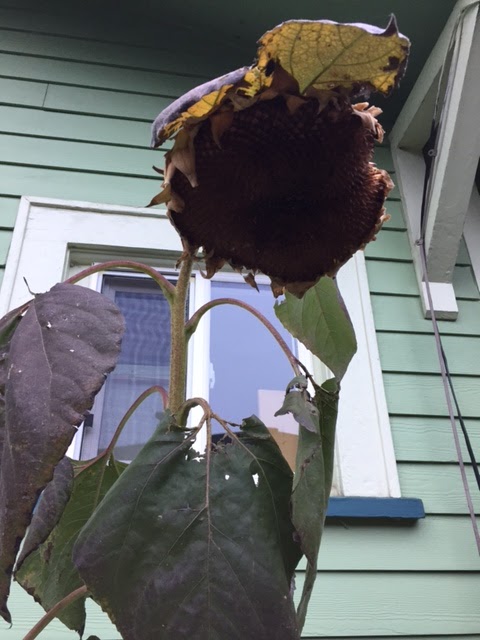
Many flowers that have lost petals are now an excellent source of food for birds. The bare pods that are left behind look pretty and are packed with nutritious seeds. I leave my sunflowers, rudbeckia, and echinacea all standing in the garden during fall and winter. The birds are working hard to pick them clean of seeds. It is super fun to daily watch blue jays hang upsides down from sunflower heads removing seeds.

Happy Autumn gardening friends! Jolie